

 English
 China
China Thailand
 Malaysia
 Vietnam
 Laos
Laos Cambodia
 Pilipinas
 Indonesia
 Russian
 Portuguese
 Arabic
 Japanese
 Spanish
 Italian
 French
 German
News
- Home
- News
- Company News
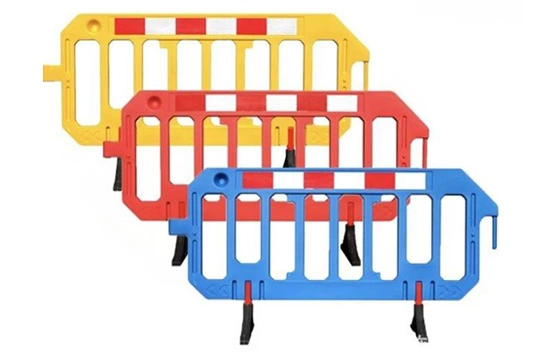
The incorporation of Durable Plastic Barriers, especially those made from Polyvinyl Chloride (PVC), into the infrastructure of modern urban planning has become a significant trend. This shift towards utilizing PVC Traffic Barriers is not only driven by their robustness and cost-effectiveness but also by the increasing demand for sustainable and efficient city management solutions. This report aims to explore how these barriers play a crucial role in enhancing safety, sustainability, and overall urban aesthetics.
One of the most compelling reasons for the widespread adoption of PVC traffic barriers in urban settings is their ability to significantly enhance road safety. These durable plastic barriers are designed to withstand high-impact collisions, thereby reducing the severity of accidents and saving lives. The strategic placement of these barriers around construction sites, school zones, and other high-risk areas can effectively guide traffic flow, prevent unauthorized access, and protect pedestrians and workers. Additionally, the visibility of these brightly colored or reflective barriers ensures that drivers are aware of potential hazards, even in low-light conditions, further contributing to a safer driving environment.
In an era where sustainability is at the forefront of public and governmental agendas, the use of PVC as a material for traffic barriers aligns well with green initiatives. PVC is 100% recyclable, making it an environmentally friendly choice for urban planners looking to minimize their carbon footprint. Unlike traditional concrete or metal barriers, which require more energy to produce and transport, PVC barriers are lightweight and easy to install, leading to reduced emissions during transportation and installation. Furthermore, at the end of their lifecycle, these barriers can be recycled and repurposed, promoting a circular economy and reducing waste in landfills. This makes them an ideal solution for cities committed to sustainable development and environmental stewardship.
Beyond their functional benefits, PVC traffic barriers also contribute positively to the aesthetic appeal of urban environments. Available in a variety of colors and designs, these barriers can be customized to blend seamlessly with the surrounding architecture and landscape, enhancing the visual coherence of the city. Moreover, their modular design allows for flexibility in configuration, enabling urban planners to adapt the layout according to changing needs without compromising on appearance. In addition to improving aesthetics, this adaptability supports the creation of multi-functional spaces that can serve different purposes throughout the day, such as converting a street into a pedestrian zone during peak hours or setting up temporary event venues. Such versatility not only enhances the functionality of urban spaces but also fosters a more vibrant and dynamic city life.
From an economic standpoint, the implementation of PVC traffic barriers offers substantial cost savings compared to traditional materials. The lower initial cost of production, combined with minimal maintenance requirements, makes these barriers a financially viable option for long-term urban projects. Their durability reduces the need for frequent replacements, thereby lowering ongoing expenses. Furthermore, the ease of installation and relocation means that labor costs are kept to a minimum, allowing for more efficient use of resources. For budget-conscious municipalities, investing in PVC traffic barriers represents a smart financial decision that delivers both immediate and long-term benefits, supporting the economic sustainability of urban development projects.
The integration of PVC traffic barriers into modern urban planning addresses a multitude of challenges, from enhancing road safety and promoting sustainability to improving urban aesthetics and achieving economic efficiency. As cities continue to grow and evolve, the role of these durable plastic barriers will only become more critical. By adopting PVC traffic barriers, urban planners can create safer, more sustainable, and visually appealing environments that meet the needs of today’s dynamic and diverse communities. As we move forward, it is essential to recognize the value of these innovative solutions and their potential to shape the future of urban living.
Leave a Reply