

 English
 China
China Thailand
 Malaysia
 Vietnam
 Laos
Laos Cambodia
 Pilipinas
 Indonesia
 Russian
 Portuguese
 Arabic
 Japanese
 Spanish
 Italian
 French
 German
News
- Home
- News
- Company News
Anti-climbing fences play a crucial role in enhancing public safety, particularly in urban and industrial environments. These specialized barriers are designed to deter unauthorized access, prevent vandalism, and protect critical infrastructure. As the demand for robust security measures continues to grow, the role of Anti climbing fence manufacturers has become increasingly important. This report will explore the various aspects of anti-climbing fences, their applications, and the key considerations in their design and implementation.
Public safety is a paramount concern in modern society, and anti-climbing fences are an essential tool in maintaining it. These fences are specifically engineered to prevent individuals from scaling or breaching them, thereby providing a physical barrier that deters potential intruders. In urban areas, they are commonly used to secure parks, schools, and residential complexes, ensuring that only authorized personnel can enter. In industrial settings, such as power plants, water treatment facilities, and chemical plants, anti-climbing fences are vital for protecting sensitive equipment and preventing unauthorized access that could lead to accidents or sabotage.
Moreover, these fences contribute to the overall sense of security, which is crucial for the well-being of communities. When people feel safe, they are more likely to engage in social activities and contribute positively to their environment. The presence of anti-climbing fences can also serve as a deterrent to criminal activity, reducing the incidence of theft, vandalism, and other forms of mischief.
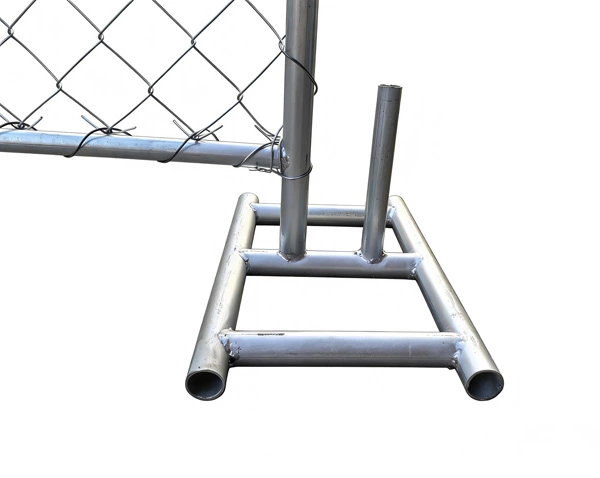
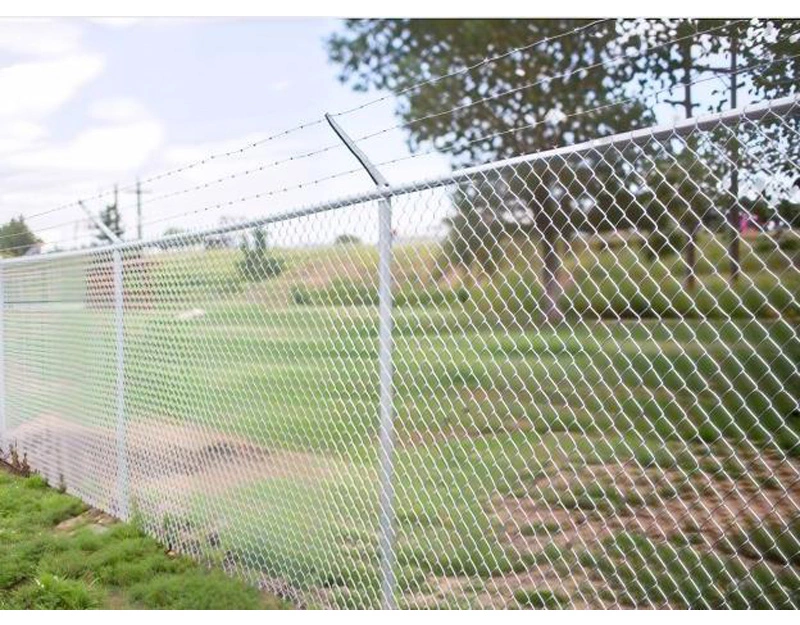
The effectiveness of an anti-climbing fence depends on several design factors, including the materials used, the height, and the specific features incorporated into the structure. High-quality materials, such as galvanized steel or aluminum, are preferred for their durability and resistance to corrosion. The height of the fence is another critical factor; typically, anti-climbing fences are at least 2 meters high, but in some cases, they may be even taller to provide additional security.
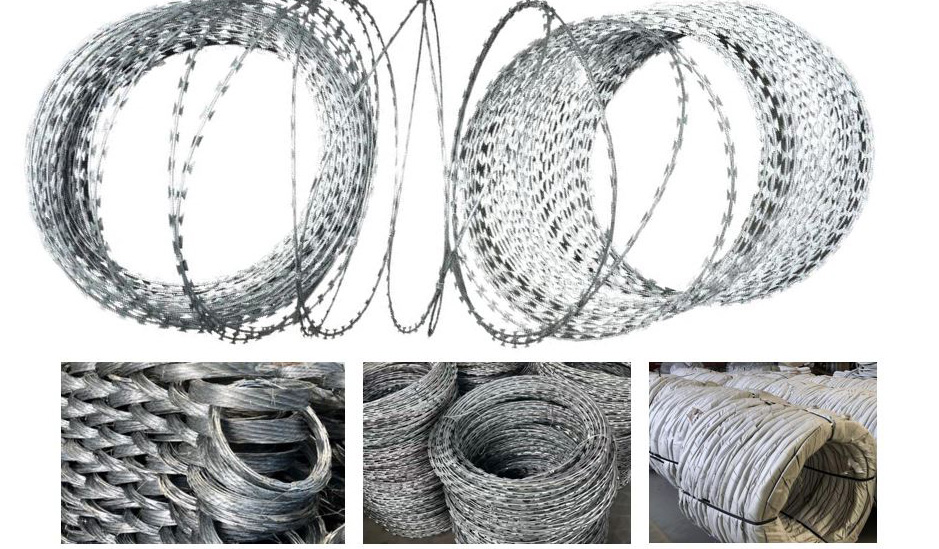
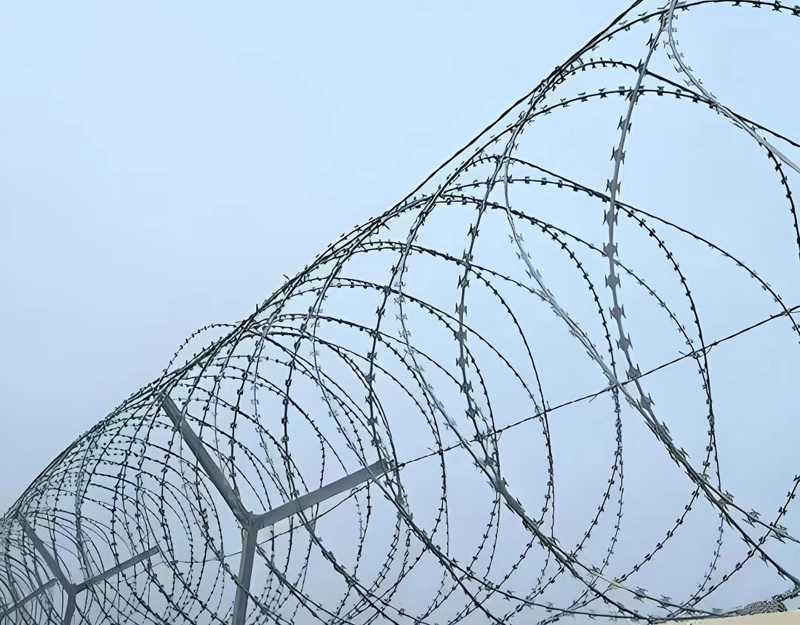
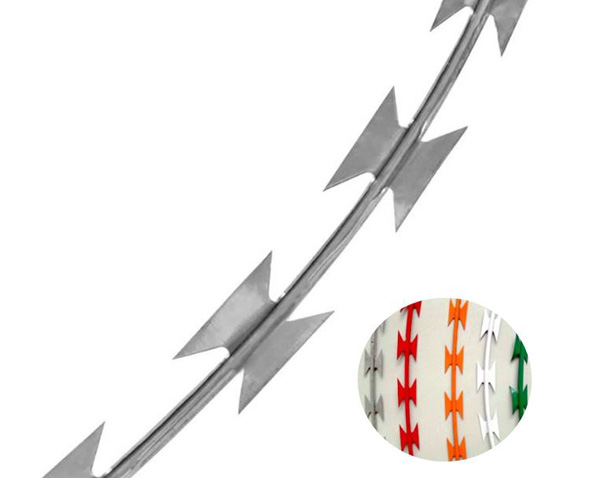
Anti-climbing fences often include specific features to enhance their effectiveness. For example, the top of the fence may be fitted with barbed wire or razor wire, making it difficult and dangerous to climb over. Additionally, the vertical bars of the fence are often spaced closely together to prevent footholds, and the horizontal rails are positioned in a way that makes it challenging to gain a grip. Some advanced designs incorporate anti-climb paint, which is slippery and makes it nearly impossible to scale the fence.
Furthermore, the integration of surveillance systems, such as CCTV cameras and motion sensors, can complement the physical barrier provided by the fence. This multi-layered approach enhances the overall security of the area, making it more difficult for intruders to breach the perimeter.
The role of anti climbing fence manufacturers is pivotal in ensuring that these barriers meet the highest standards of quality and effectiveness. Manufacturers must stay abreast of the latest advancements in materials science, engineering, and security technology to produce fences that are both durable and effective. They also need to consider the specific needs of different environments and tailor their products accordingly.
For instance, fences for coastal areas may require special coatings to resist saltwater corrosion, while those in high-crime areas may need additional reinforcement. Manufacturers often work closely with security consultants and architects to design custom solutions that address the unique challenges of each project. This collaborative approach ensures that the final product is not only secure but also aesthetically pleasing and functional.
In addition, manufacturers must adhere to industry standards and regulations, such as those set by ASTM International and ISO. Compliance with these standards ensures that the fences are safe, reliable, and meet the required performance criteria. Regular testing and quality control processes are essential to maintain the integrity of the products and ensure customer satisfaction.
Several case studies demonstrate the successful implementation of anti-climbing fences in various settings. For example, a large urban park in a major city installed anti-climbing fences around its perimeter to address issues of vandalism and unauthorized entry. The new fencing system, which included barbed wire at the top and closely spaced vertical bars, significantly reduced incidents of trespassing and damage to park property.
In another case, a water treatment facility upgraded its perimeter security with anti-climbing fences and integrated surveillance systems. The combination of physical barriers and electronic monitoring provided a comprehensive security solution, effectively deterring potential intruders and safeguarding the facility's critical infrastructure.
These examples highlight the versatility and effectiveness of anti-climbing fences in different contexts. By working with experienced anti climbing fence manufacturers and implementing best practices, organizations can achieve a high level of security and peace of mind.
As technology continues to advance, the field of anti-climbing fences is also evolving. One emerging trend is the use of smart fencing systems, which integrate sensors, alarms, and other intelligent features. These systems can detect and alert security personnel to any attempts to breach the fence, allowing for a rapid response. Additionally, some smart fences can automatically adjust their configuration based on real-time data, such as weather conditions or detected threats.
Another trend is the development of eco-friendly and sustainable fencing materials. As environmental concerns become more prominent, manufacturers are exploring alternatives to traditional metals, such as recycled plastics and composites. These materials offer comparable strength and durability while reducing the environmental impact of production and disposal.
Finally, the integration of artificial intelligence (AI) and machine learning (ML) into security systems is expected to further enhance the capabilities of anti-climbing fences. AI-powered systems can analyze patterns and predict potential security breaches, enabling proactive measures to be taken. This technology can also help in optimizing the maintenance and management of the fences, ensuring they remain in optimal condition.
In conclusion, anti-climbing fences are a vital component of public safety, providing a robust and effective barrier against unauthorized access and criminal activity. The role of anti climbing fence manufacturers in designing, producing, and implementing these fences is crucial. By considering the specific needs of each environment, adhering to industry standards, and embracing new technologies, manufacturers can continue to enhance the security and well-being of communities. As the demand for advanced security solutions grows, the future of anti-climbing fences looks promising, with innovations in materials, design, and technology paving the way for even greater effectiveness and sustainability.
Leave a Reply