

 English
 China
China Thailand
 Malaysia
 Vietnam
 Laos
Laos Cambodia
 Pilipinas
 Indonesia
 Russian
 Portuguese
 Arabic
 Japanese
 Spanish
 Italian
 French
 German
News
- Home
- News
- Company News
Introduction
The security of an airport is a matter of paramount importance, with the anti-climb fence playing a critical role in preventing unauthorized access. This technical report will delve into the necessity of regular maintenance for these fences, emphasizing how such upkeep not only enhances security but also extends the life of the infrastructure.
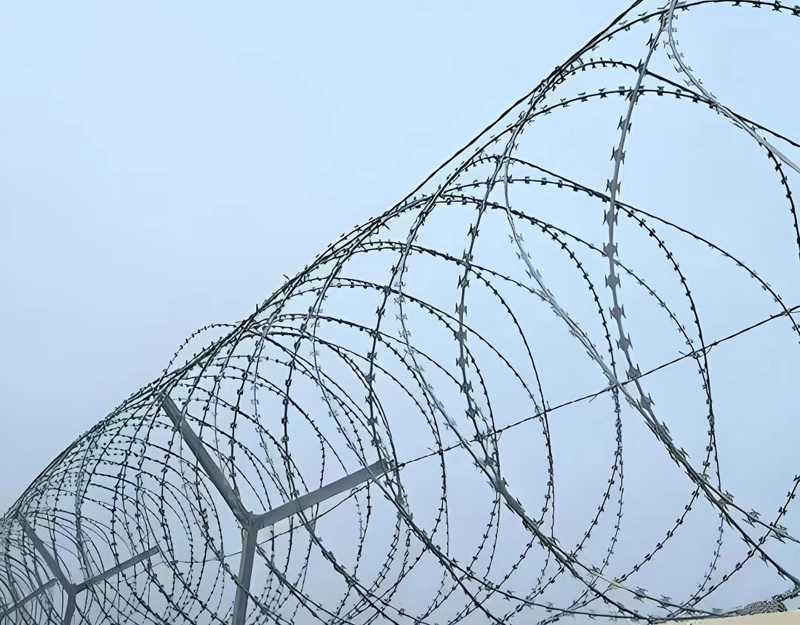
Airport anti-climb fences are specifically designed to deter and prevent individuals from scaling over barriers that protect restricted areas. These fences typically feature sharp points, tight mesh, or other physical deterrents, making them an effective first line of defense against potential threats. By understanding their purpose, one can better appreciate why maintaining these structures is crucial for overall airport safety.
In addition to providing a visible deterrent, airport anti-climb fences serve as a psychological barrier, discouraging would-be intruders. The effectiveness of these barriers, however, diminishes significantly if they are not regularly inspected and maintained. Regular checks ensure that any damage or wear is promptly addressed, thereby preserving the integrity and functionality of the fence.
Neglecting the maintenance of airport anti-climb fences can have severe repercussions on airport security. Over time, environmental factors like weather, corrosion, and vandalism can weaken the structure, creating vulnerabilities that could be exploited. A compromised fence may no longer provide the necessary level of protection, increasing the risk of unauthorized access and potential security breaches.
Furthermore, failing to maintain these fences can lead to increased costs in the long run. Repairs or replacements due to neglect are often more expensive than routine maintenance. Additionally, there may be legal and reputational consequences if a breach occurs, leading to questions about the airport's commitment to safety and security.
To ensure the continued effectiveness of airport anti-climb fences, a comprehensive maintenance plan should be implemented. This plan should include regular inspections, timely repairs, and preventive measures. Inspections should be conducted at least quarterly, with a focus on identifying any signs of damage, corrosion, or wear. Any issues discovered during these inspections should be addressed immediately to prevent further deterioration.
Preventive measures, such as applying protective coatings to the fence, can help mitigate the effects of environmental factors. Additionally, it is essential to keep the area around the fence clear of debris and vegetation, as these can obscure visibility and provide cover for potential intruders. Training staff on the importance of these tasks and ensuring they have the necessary tools and resources to carry them out effectively is also a key component of a successful maintenance plan.
While regular maintenance is crucial, integrating technological enhancements can further bolster the security provided by airport anti-climb fences. Modern technologies such as surveillance cameras, motion sensors, and intrusion detection systems can complement the physical barrier, providing real-time monitoring and alerts. These systems can be integrated with the existing security infrastructure, allowing for a more comprehensive and proactive approach to security management.
For example, surveillance cameras can be placed at strategic points along the fence to monitor for any suspicious activity. Motion sensors and intrusion detection systems can trigger alarms and alert security personnel in the event of an attempted breach. By combining these technologies with well-maintained physical barriers, airports can create a multi-layered security system that is both robust and efficient.
Regular maintenance of airport anti-climb fences is essential for maintaining the highest levels of security and operational efficiency. By understanding the role of these fences, recognizing the consequences of neglect, implementing a comprehensive maintenance plan, and leveraging technological enhancements, airports can ensure that their perimeter remains secure. Investing in the upkeep of these critical structures not only protects the airport and its assets but also demonstrates a commitment to the safety and well-being of all stakeholders.
Leave a Reply