

 English
 China
China Thailand
 Malaysia
 Vietnam
 Laos
Laos Cambodia
 Pilipinas
 Indonesia
 Russian
 Portuguese
 Arabic
 Japanese
 Spanish
 Italian
 French
 German
News
- Home
- News
- Company News
Construction sites are a common sight in rapidly developing countries such as China, where the need for infrastructure and urban development is high. One critical aspect of managing these sites effectively involves the use of fences. These not only serve to demarcate the construction area but also play an essential role in ensuring safety, security, and minimizing environmental impact. In recent years, there has been a growing trend towards the adoption of sustainable materials in the Construction site fence China sector, driven by both regulatory requirements and a broader commitment to sustainability. This report explores some of the key sustainable materials used in modern construction site fences in China, along with their benefits and challenges.
In the context of rapid urbanization and industrial growth, it becomes imperative to adopt practices that minimize ecological footprints while ensuring the smooth progress of projects. Sustainable fencing solutions are one such practice that contributes significantly to this goal. By using eco-friendly materials, these fences help reduce waste, lower carbon emissions, and promote resource efficiency. Moreover, they often offer additional advantages such as durability, ease of installation, and cost-effectiveness over their traditional counterparts. The shift towards more environmentally responsible choices in construction site fence China reflects a broader industry trend aimed at achieving long-term sustainability without compromising on functionality or safety standards.
Among the various sustainable materials being explored for use in construction site fences, bamboo stands out as a particularly promising option. Known for its rapid growth rate and minimal requirement for pesticides, bamboo represents a highly renewable resource. Its natural strength and flexibility make it suitable for constructing sturdy yet lightweight barriers. Additionally, bamboo can be easily treated to enhance its resistance against weathering and pests, thereby extending its lifespan. For construction site fence China applications, bamboo-based products offer a compelling alternative to conventional wooden or metal fences, providing comparable performance with a significantly reduced environmental impact. However, widespread adoption may face challenges related to availability, processing techniques, and public perception, which need to be addressed through further research and awareness campaigns.
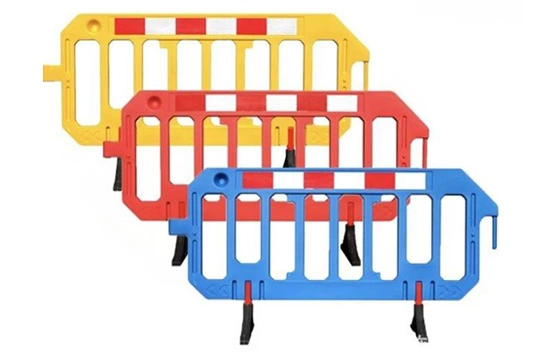
Another innovative approach gaining traction in the realm of sustainable construction site fencing is the utilization of recycled plastic. This material is derived from post-consumer waste, including discarded packaging, bottles, and other non-biodegradable items. By transforming this waste into durable, weather-resistant panels, recycled plastic fencing offers a dual benefit: reducing landfill waste and creating a valuable product. Such fences are not only resistant to rot, rust, and insect damage but also require minimal maintenance once installed. In the Chinese market, where recycling efforts are increasingly emphasized, recycled plastic has emerged as a viable choice for construction site fence China, contributing to both environmental conservation and economic efficiency. Nevertheless, concerns about the initial investment costs and the potential for aesthetic limitations must be carefully considered when evaluating this option.
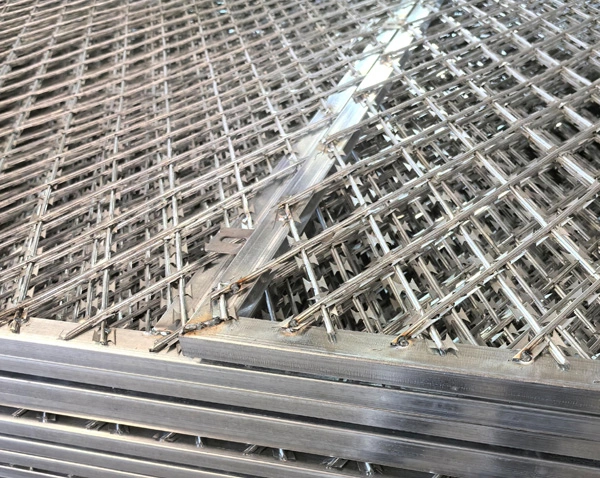
For those seeking a balance between robustness and sustainability, steel rebar mesh presents an interesting solution. Typically made from recycled steel, this type of fencing leverages the inherent strength and longevity of metal while minimizing raw material extraction. Steel rebar mesh is particularly well-suited for high-traffic areas or sites requiring enhanced security measures due to its ability to withstand significant physical stress. Furthermore, its modular design allows for easy assembly and disassembly, facilitating reuse across multiple projects. In the context of construction site fence China, steel rebar mesh supports the circular economy model by promoting the continuous cycling of materials, thus reducing overall waste generation. Despite its numerous advantages, the higher upfront cost and energy-intensive production process associated with steel manufacturing pose ongoing challenges that require attention.
As China continues to lead in global infrastructure development, the focus on integrating sustainable practices within all aspects of construction, including fencing, will undoubtedly grow. Through the adoption of innovative and eco-friendly materials like bamboo, recycled plastic, and steel rebar mesh, the construction site fence China industry can contribute positively to environmental preservation while meeting operational needs. Moving forward, continued research, policy support, and stakeholder engagement will be crucial in overcoming existing barriers and fully realizing the potential of these sustainable solutions.


Leave a Reply