

 English
 China
China Thailand
 Malaysia
 Vietnam
 Laos
Laos Cambodia
 Pilipinas
 Indonesia
 Russian
 Portuguese
 Arabic
 Japanese
 Spanish
 Italian
 French
 German
News
- Home
- News
- Company News
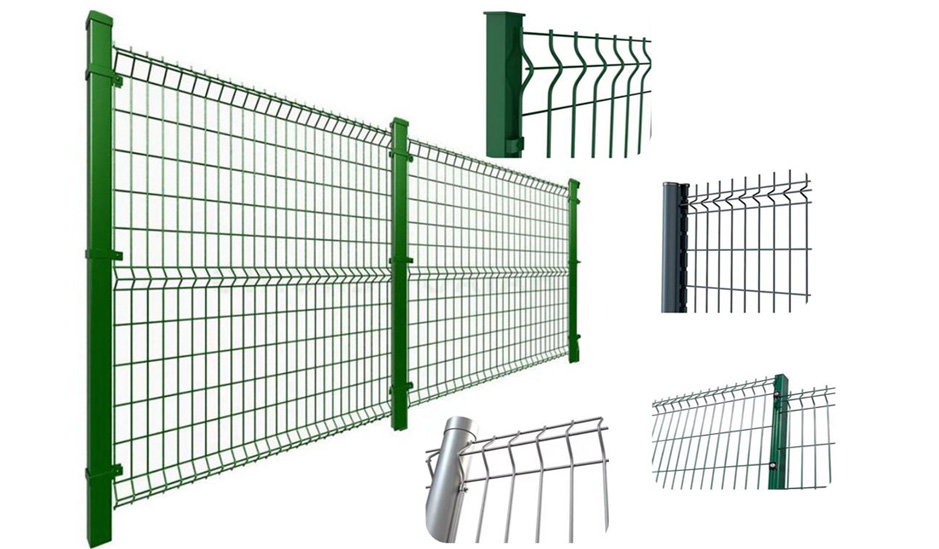
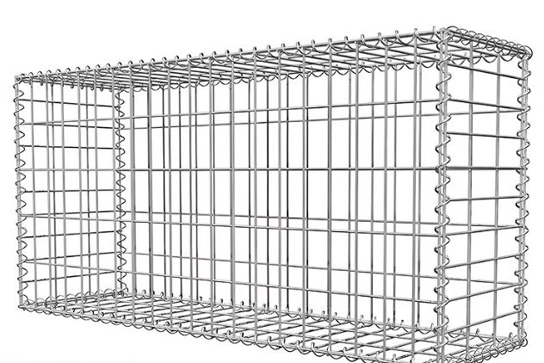
Selecting the right type of fencing for your project is crucial, not only for aesthetic reasons but also for ensuring durability and functionality. When it comes to choosing between different types of fences, one option that stands out for its versatility and strength is PVC covered wire fence, especially when compared with other materials like galvanized Gabion mesh. This technical report will explore key considerations in selecting a suitable PVC Covered Wire Fence, comparing it against alternatives such as Galvanized gabion mesh, to help you make an informed decision. The discussion will cover aspects including material properties, environmental impact, installation processes, maintenance requirements, and cost-effectiveness, providing a comprehensive guide to assist in choosing the most appropriate fencing solution for any given scenario.
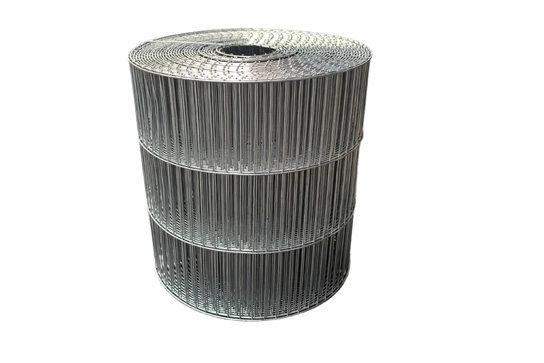
When evaluating the suitability of fencing materials, their physical properties are a primary concern. PVC covered wire fences offer a balance of strength and flexibility, making them ideal for various applications. Unlike galvanized gabion mesh, which is primarily designed for retaining structures and erosion control, PVC Coated wires provide enhanced resistance to bending and breaking, thereby extending the lifespan of the fence under regular use conditions. Additionally, the plastic coating on these wires adds another layer of protection against environmental factors, further enhancing their durability.
The ability of a fencing material to withstand harsh weather conditions, UV radiation, and chemical exposure significantly influences its long-term performance. PVC covered wire fences excel in this regard due to the protective nature of the PVC coating. It shields the underlying metal from corrosion, rust, and degradation, problems commonly associated with untreated or even galvanized steel. This characteristic makes PVC coated options particularly well-suited for areas experiencing high humidity, salt spray, or frequent temperature fluctuations, where galvanized gabion mesh might suffer over time.
Efficiency in setting up a fence can be just as important as the quality of the material itself. PVC covered wire fences typically require less intensive groundwork compared to installing structures made from heavier materials such as concrete or stone, which may be used alongside galvanized gabion mesh. They can be easily cut to size, bent around corners, and secured using standard tools, facilitating quicker and more straightforward installations. This ease of handling reduces labor costs and shortens project timelines, making PVC coated wire a practical choice for both small-scale and large-scale projects.
Another advantage of PVC covered wire fences lies in their versatility in terms of design and appearance. These fences come in a variety of colors and styles, allowing for customization to match specific architectural designs or personal preferences. While galvanized gabion mesh has its unique industrial look, which suits certain settings, the range of finishes available for PVC coated products enables a broader application across residential, commercial, and public spaces. Furthermore, the clean, modern look of PVC coated fences can enhance the overall aesthetics of a property without compromising on security or functionality.
To maintain the appearance and structural integrity of any fence, periodic cleaning and inspection are necessary. PVC covered wire fences have the upper hand here because they resist dirt and stains, requiring only occasional washing with water and mild soap to keep them looking new. In contrast, while galvanized gabion mesh does not need painting, it can accumulate debris and show signs of wear faster, necessitating more frequent attention to prevent damage. By opting for PVC coated solutions, property owners can enjoy a low-maintenance option that looks good and performs well over many years.
In the event of damage, the process of repairing or replacing sections of a fence should be as seamless as possible. With PVC covered wire fences, damaged parts can usually be isolated and replaced without affecting the entire structure. This modularity simplifies maintenance and minimizes disruption during repair work. On the other hand, if a section of galvanized gabion mesh becomes compromised, addressing the issue could involve more complex steps, potentially leading to higher costs and longer downtime. Thus, considering the ease of repair and replacement is essential when planning for the longevity of a fencing system.
While the initial cost of purchasing and installing a PVC covered wire fence may seem higher than some alternatives, the long-term benefits often justify this investment. Due to their durability and minimal maintenance needs, these fences tend to last longer, reducing the frequency of replacements and repairs. As a result, the total cost of ownership over several years is likely to be lower compared to options that require more upkeep, such as those utilizing galvanized gabion mesh. Evaluating the projected lifetime expenses helps in understanding the true value proposition of each material.
Beyond direct financial savings, there are additional economic advantages to consider. For example, certain configurations of PVC covered wire fences can contribute to energy efficiency by acting as windbreaks, helping to reduce heating costs in colder climates. Although this benefit is more commonly associated with solid barriers, the strategic placement and design of a wire fence can still offer some level of protection. In comparison, while galvanized gabion mesh provides excellent stability and support, its open structure limits its potential for contributing to energy conservation. Therefore, incorporating elements that promote sustainability and resource efficiency into the selection criteria can lead to broader economic gains.
As environmental consciousness grows, the recyclability and end-of-life disposal of construction materials become increasingly important. Both PVC covered wire and galvanized gabion mesh have distinct characteristics in this area. PVC, although not biodegradable, is recyclable, and many manufacturers now offer programs for recycling old fences. Meanwhile, galvanized steel can also be recycled, though the process requires more energy and resources. Considering the environmental footprint at all stages of a product's lifecycle, from production through to disposal, supports responsible decision-making and contributes to sustainable development goals.
Participating in green building initiatives is another way to assess the environmental impact of different fencing choices. Using materials that align with eco-friendly standards, such as those recognized by LEED (Leadership in Energy and Environmental Design) certification, can earn points towards achieving higher ratings. PVC covered wire fences, when sourced from suppliers committed to sustainable manufacturing practices, can play a role in supporting these efforts. Galvanized gabion mesh, while robust and durable, may not always meet the same stringent criteria, depending on the specifics of its production and sourcing. Choosing materials that support green building principles enhances the overall sustainability profile of a project, benefiting both the environment and the community.
Leave a Reply