

 English
 China
China Thailand
 Malaysia
 Vietnam
 Laos
Laos Cambodia
 Pilipinas
 Indonesia
 Russian
 Portuguese
 Arabic
 Japanese
 Spanish
 Italian
 French
 German
News
- Home
- News
- Company News
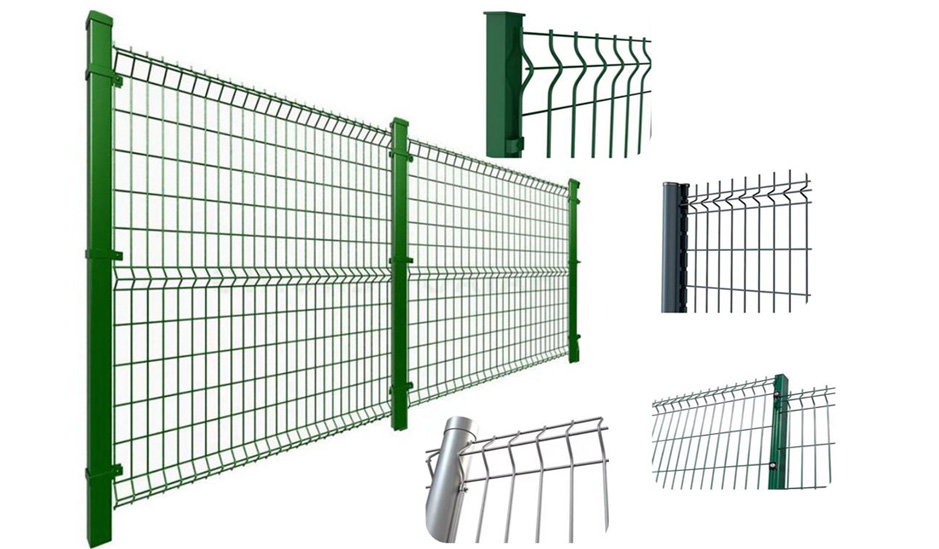
stainless steel fencing material is a popular choice for many homeowners and businesses due to its durability, aesthetic appeal, and low maintenance requirements. However, even the most robust materials require some level of care to ensure they remain in top condition over time. This report aims to provide detailed maintenance tips for long-lasting stainless steel fencing materials, ensuring that your investment remains as good as new for years to come.
Before delving into the maintenance practices, it's crucial to understand the properties of stainless steel that make it an ideal fencing material. Stainless steel is known for its resistance to corrosion, rust, and staining, thanks to the presence of chromium, which forms a passive film on the surface. This film protects the underlying metal from environmental factors, making stainless steel a durable option for outdoor use. Despite this inherent protection, regular maintenance can significantly extend the life of your fence and maintain its appearance.
One of the simplest yet most effective ways to keep your stainless steel fencing material looking its best is through regular cleaning. Dust, dirt, and other contaminants can accumulate on the surface, potentially leading to discoloration or damage if left unattended. A mild solution of soap and water is generally sufficient for routine cleaning. Use a soft cloth or sponge to gently wipe down the fence, avoiding abrasive materials that could scratch the surface. For more stubborn stains, a specialized stainless steel cleaner may be necessary. Always rinse thoroughly with clean water after cleaning to remove any residue.
While stainless steel is highly resistant to corrosion, certain conditions can still lead to pitting, crevice corrosion, or other forms of damage. Chlorides, particularly from saltwater or de-icing salts, are one of the primary culprits. To prevent corrosion, it’s important to avoid exposing your fence to such substances. If you live in a coastal area or experience harsh winters, consider applying a protective coating designed for stainless steel. Should corrosion occur, it’s essential to address it promptly. Light corrosion can often be removed using a fine-grit sandpaper, followed by a thorough cleaning. In more severe cases, professional intervention may be required to restore the fence to its original condition.
Physical damage, such as dents, scratches, or impact marks, can compromise the integrity and appearance of stainless steel fencing material. Regular inspections can help identify these issues early, allowing for timely repairs. Minor scratches can sometimes be buffed out using a polishing compound specifically formulated for stainless steel. Deeper scratches or dents may require more extensive work, including welding or replacement of damaged sections. To prevent mechanical damage, it’s advisable to install protective barriers around high-traffic areas and to educate users about proper handling and care of the fence.
Environmental factors play a significant role in the longevity of stainless steel fencing material. Different seasons bring unique challenges, and adapting your maintenance routine accordingly can help mitigate potential issues. During the winter, snow and ice should be removed carefully to prevent excessive weight and potential damage. In the summer, UV exposure can cause fading, so applying a UV-resistant coating can be beneficial. Additionally, regular inspections after severe weather events, such as storms or heavy rain, are essential to identify and address any damage promptly.
While many maintenance tasks can be performed by the property owner, periodic professional inspections and maintenance are recommended. A professional can provide a thorough assessment of the fence’s condition, identifying any hidden issues that may not be immediately apparent. They can also perform more complex repairs and offer advice on best practices for maintaining your specific type of stainless steel fencing material. Scheduling an annual inspection and maintenance visit can help ensure that your fence remains in optimal condition and extends its lifespan.
In conclusion, while stainless steel fencing material is inherently durable and requires minimal maintenance, following these tips will help ensure that your fence remains in excellent condition for years to come. Regular cleaning, prompt attention to corrosion, prevention of mechanical damage, seasonal adjustments, and professional oversight are all key components of a comprehensive maintenance plan. By investing a little time and effort into these practices, you can enjoy the benefits of a beautiful and long-lasting stainless steel fence.
Leave a Reply