

 English
 China
China Thailand
 Malaysia
 Vietnam
 Laos
Laos Cambodia
 Pilipinas
 Indonesia
 Russian
 Portuguese
 Arabic
 Japanese
 Spanish
 Italian
 French
 German
News
- Home
- News
- Company News
Construction sites are often the target of unauthorized access, which can lead to theft, vandalism, and safety hazards. To mitigate these risks, many construction companies opt for metal fence mesh as a security solution. This technical report will explore how metal fences at construction sites prevent unauthorized access, focusing on their design, installation, and maintenance.
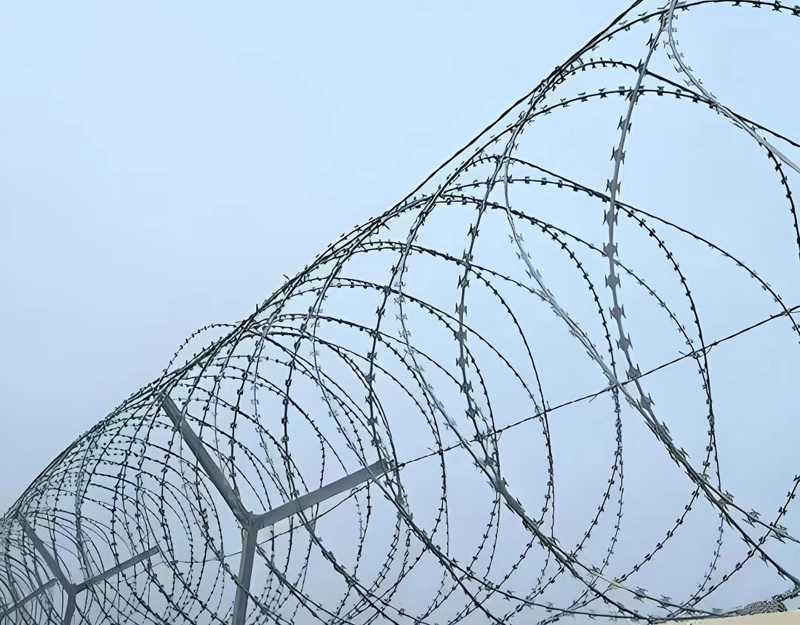
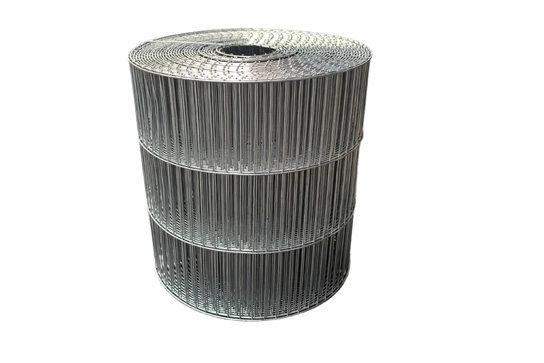
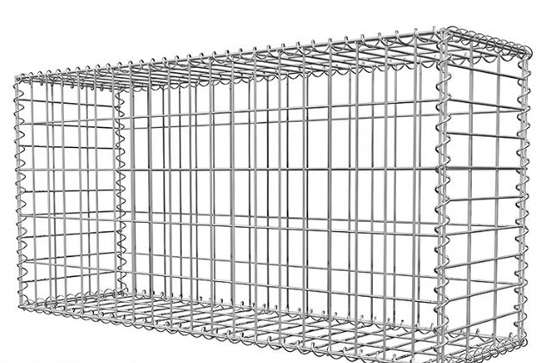
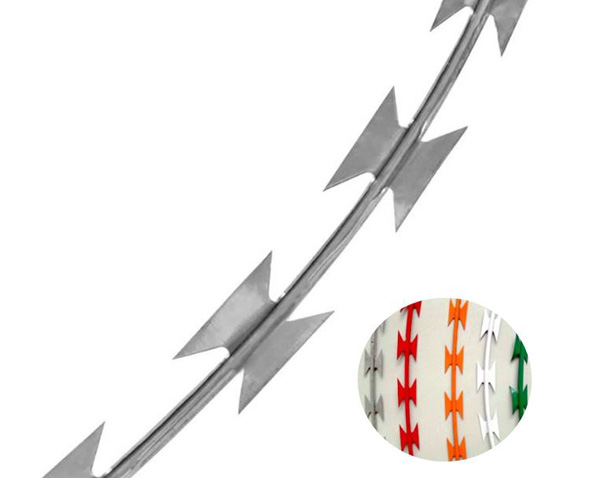
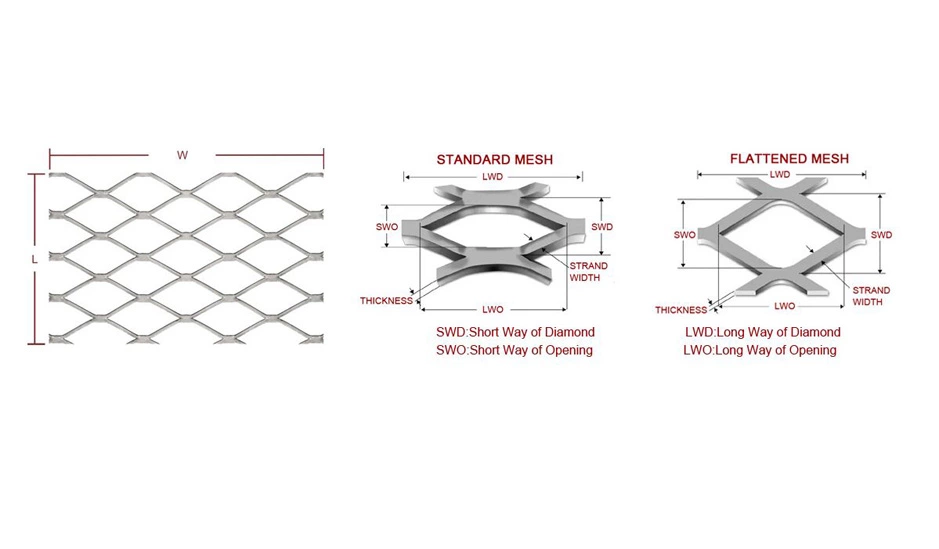
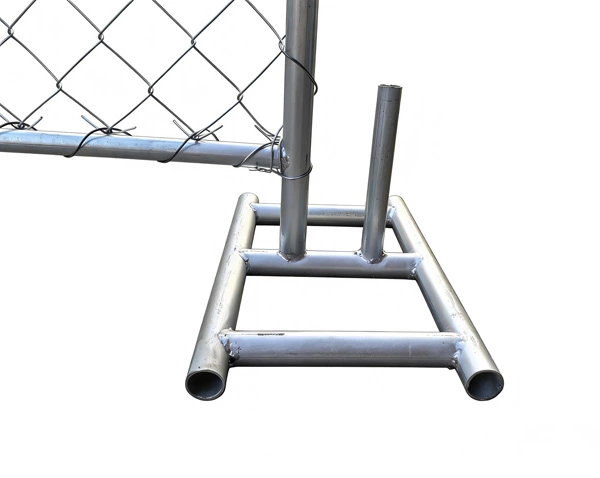
The primary function of a construction site metal fence mesh is to create a physical barrier that deters potential intruders. Metal fences are typically made from durable materials such as steel or aluminum, making them resistant to cutting, climbing, and other forms of tampering. The mesh design provides a see-through barrier, allowing for clear visibility while still maintaining a strong physical deterrent. This combination of strength and visibility makes it difficult for unauthorized individuals to breach the perimeter without being noticed.
Moreover, the height of the metal fence can be adjusted to meet specific security requirements. For example, a standard fence might be 6 feet tall, but in high-risk areas, the height can be increased to 8 feet or more. This added height further reduces the likelihood of successful unauthorized entry, as it becomes increasingly challenging for intruders to scale the fence.
While the physical barrier provided by metal fence mesh is a crucial component of construction site security, it is often most effective when integrated with other security measures. Many construction sites complement their metal fences with additional security systems such as surveillance cameras, motion sensors, and alarm systems. These technologies work in tandem with the metal fence to create a comprehensive security network.
Surveillance cameras, for instance, can be strategically placed along the perimeter of the metal fence mesh to monitor for any suspicious activity. If an intruder attempts to breach the fence, the cameras can capture the incident and alert security personnel in real-time. Similarly, motion sensors and alarm systems can be installed to detect and respond to any unauthorized movements around the fence. This integration of multiple security layers ensures that even if an intruder manages to breach the initial physical barrier, they will be quickly detected and apprehended.
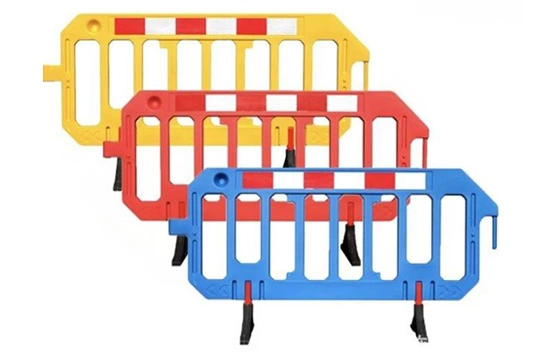
Ensuring compliance with local regulations and safety standards is another critical aspect of using metal fence mesh at construction sites. Many jurisdictions have specific requirements for the type, height, and installation of fencing around construction sites. These regulations are designed to protect both the construction site and the surrounding community from potential hazards.
For example, some areas may require that metal fences be installed with a certain minimum height to prevent unauthorized access. Additionally, there may be guidelines for the placement of warning signs and the use of additional safety features such as lighting. By adhering to these regulations, construction companies not only enhance the security of their sites but also demonstrate their commitment to safety and compliance.
Furthermore, regular maintenance and inspection of the metal fence mesh are essential to ensure its continued effectiveness. Over time, fences can become damaged due to weather conditions, vandalism, or wear and tear. Regular inspections can help identify and address any issues before they compromise the security of the site. This proactive approach to maintenance ensures that the fence remains a reliable and effective barrier against unauthorized access.
Investing in a high-quality construction site metal fence mesh can provide significant cost savings in the long run. While the initial cost of purchasing and installing a metal fence may seem substantial, the benefits of enhanced security and reduced risk of theft and vandalism far outweigh the expenses. A well-secured construction site is less likely to experience financial losses due to stolen materials or equipment, and the reduced risk of accidents and injuries can also lower insurance premiums.
Additionally, metal fences are generally more durable and long-lasting compared to other types of fencing materials. They require minimal maintenance and can withstand harsh weather conditions, making them a cost-effective solution over the long term. The longevity of metal fences means that they can be reused for multiple projects, further reducing the overall cost of security measures for construction companies.
Another important aspect of using metal fence mesh at construction sites is its environmental impact. Metal fences are often made from recyclable materials, such as steel and aluminum, which can be repurposed at the end of their lifecycle. This sustainability factor aligns with the growing trend towards environmentally responsible construction practices.
Moreover, the use of metal fences can help reduce the need for more resource-intensive security measures, such as constant human patrols or extensive surveillance systems. By providing a robust physical barrier, metal fences can minimize the overall environmental footprint of a construction site's security measures. This balance between security and sustainability is a key consideration for modern construction projects.
In conclusion, the use of construction site metal fence mesh is a highly effective and versatile solution for preventing unauthorized access. By creating a strong physical barrier, integrating with other security systems, ensuring regulatory compliance, and offering long-term cost savings, metal fences provide a comprehensive security solution. Additionally, their environmental benefits make them a sustainable choice for construction sites. As the construction industry continues to evolve, the importance of robust and sustainable security measures will only continue to grow.

Leave a Reply