

 English
 China
China Thailand
 Malaysia
 Vietnam
 Laos
Laos Cambodia
 Pilipinas
 Indonesia
 Russian
 Portuguese
 Arabic
 Japanese
 Spanish
 Italian
 French
 German
News
- Home
- News
- Company News
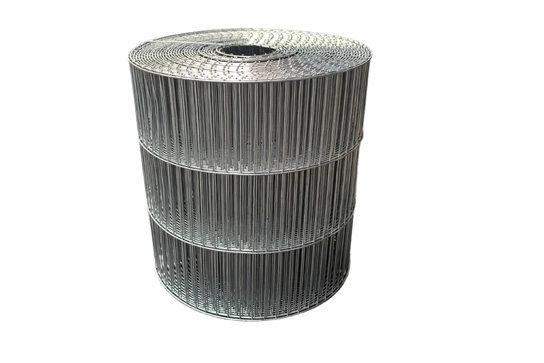
In the realm of water purification, advancements in technology have continuously pushed the boundaries of what is possible. One such innovation that stands out is the use of stainless steel ultra-fine filtration grids. These grids are not only a testament to modern engineering but also a critical component in achieving unprecedented levels of water purity. This report delves into how these ultra-fine filtration systems enhance water quality, focusing on their construction, operational benefits, and environmental impact.
The primary advantage of employing stainless steel ultra-fine filtration grids lies in their ability to capture particles at incredibly small scales. Traditional filtration methods often struggle with removing contaminants below a certain size, leaving behind microorganisms and fine particulates that can affect both the safety and taste of water. However, by utilizing an ultra-fine grid, which typically has pores measuring less than 1 micron, it becomes feasible to eliminate a broader spectrum of impurities, including bacteria, viruses, and even some forms of chemical pollutants. This level of precision ensures that the water passing through the system meets stringent standards for purity, making it suitable for consumption or industrial applications where high-quality water is essential.
Stainless steel, known for its corrosion resistance and durability, plays a crucial role in the longevity of ultra-fine filtration grids. Unlike other materials that might degrade over time when exposed to water, especially if it contains minerals or chemicals, stainless steel maintains its integrity, providing years of reliable service. The robust nature of this material means that maintenance requirements are significantly reduced, leading to lower operational costs and less frequent replacements. Moreover, the sustainability aspect cannot be overlooked; the extended lifespan of these filters contributes positively to reducing waste, aligning well with global efforts towards more environmentally friendly practices.
Beyond just improving the quality of filtered water, stainless steel ultra-fine filtration grids offer substantial economic and environmental benefits through increased energy efficiency. Conventional filtration processes, particularly those involving reverse osmosis or distillation, consume large amounts of energy, contributing to higher operational expenses and carbon footprints. In contrast, ultra-fine filtration using these specialized grids operates under relatively low pressure, requiring less power to function effectively. As a result, organizations adopting this technology experience reduced energy bills while simultaneously decreasing their greenhouse gas emissions, a win-win situation for both the bottom line and the planet.
The implementation of stainless steel ultra-fine filtration grids represents a significant leap forward in water treatment technologies. By enhancing filtration efficiency, ensuring long-term reliability, and promoting sustainable operations, these systems address multiple challenges faced by industries and communities striving for cleaner, safer water. As we continue to face increasing demands on our natural resources, innovations like these will play a pivotal role in securing access to high-quality water for future generations.

Leave a Reply