

 English
 China
China Thailand
 Malaysia
 Vietnam
 Laos
Laos Cambodia
 Pilipinas
 Indonesia
 Russian
 Portuguese
 Arabic
 Japanese
 Spanish
 Italian
 French
 German
News
- Home
- News
- Company News
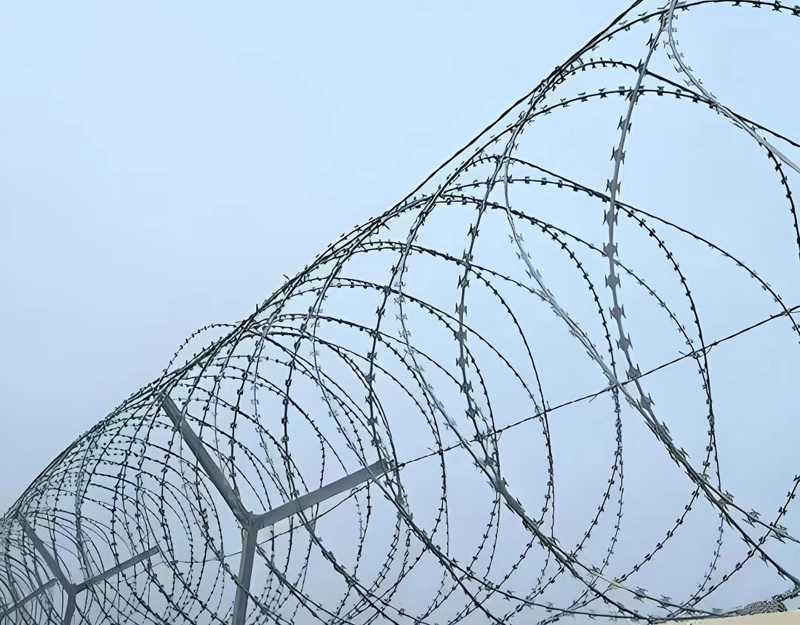
Stainless steel Razor wire has become a staple in enhancing perimeter security, particularly for properties that require an additional layer of protection against unauthorized access. Its durability and intimidating appearance make it an effective deterrent to potential intruders. Unlike traditional fencing materials, Stainless steel razor wire offers long-lasting resistance to corrosion, making it suitable for use in various environmental conditions without compromising its structural integrity. This section will explore how the physical and psychological barriers created by this material contribute significantly to overall site safety.
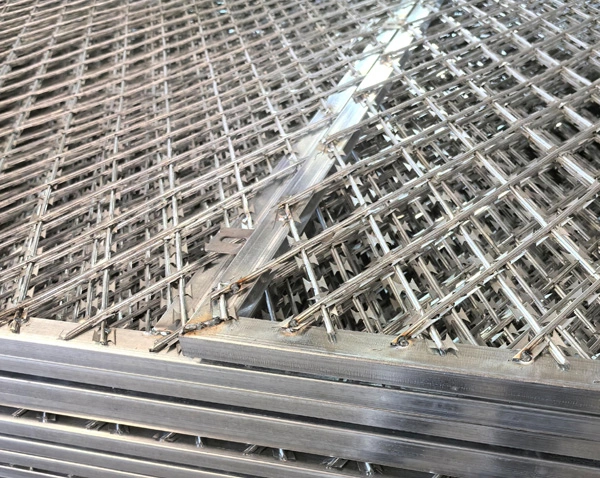
Selecting the appropriate type of stainless steel razor wire is crucial to ensuring maximum effectiveness and compliance with local regulations. There are several factors to consider when making this decision, including the level of threat, environmental conditions, and aesthetic preferences. For instance, galvanized stainless steel razor wire provides excellent protection against rust, making it ideal for coastal or humid areas. Meanwhile, those looking for a less visually intrusive option might opt for flat tape designs, which still offer formidable security but with a lower profile. Understanding these options allows property owners to tailor their security measures precisely to their specific needs.
The installation process for stainless steel razor wire requires careful planning and execution to ensure both optimal security and user safety. Before beginning, it’s essential to conduct a thorough risk assessment of the area to identify any potential hazards or weak points in the existing perimeter. Once identified, the next step involves determining the most strategic locations for installing the wire, such as atop fences or around vulnerable entry points. It's also important to follow manufacturer guidelines closely during the installation phase, using appropriate personal protective equipment (PPE) like gloves and goggles to prevent injury. Additionally, regular maintenance checks should be scheduled post-installation to verify that the system remains intact and continues to serve its intended purpose effectively over time.
While highly effective on its own, integrating stainless steel razor wire with other forms of security can create a more robust defense mechanism. Combining it with technologies like surveillance cameras, motion sensors, and alarm systems creates a multi-layered approach to perimeter protection. This integration not only enhances the immediate deterrence provided by the physical barrier but also improves response times to any breach attempts. Furthermore, modern advancements have led to the development of smart security solutions, where components work together seamlessly through internet connectivity, allowing for real-time monitoring and control from remote locations. Such comprehensive strategies significantly reduce vulnerabilities and provide peace of mind to property owners and managers alike.
Although stainless steel razor wire is a powerful tool for improving perimeter security, its deployment must adhere to certain legal and ethical standards. Many jurisdictions impose restrictions on the types of razor wire that can be used, as well as how and where they may be installed, primarily out of concern for public safety. It is imperative, therefore, for installers to familiarize themselves with all relevant laws and guidelines before proceeding. Moreover, there exists an ethical responsibility to balance the need for enhanced security with minimizing unnecessary risks to innocent individuals, such as children or wildlife. By adopting best practices and demonstrating a commitment to responsible usage, one can achieve the desired level of protection while maintaining respect for broader community values.
Leave a Reply