

 English
 China
China Thailand
 Malaysia
 Vietnam
 Laos
Laos Cambodia
 Pilipinas
 Indonesia
 Russian
 Portuguese
 Arabic
 Japanese
 Spanish
 Italian
 French
 German
News
- Home
- News
- Company News
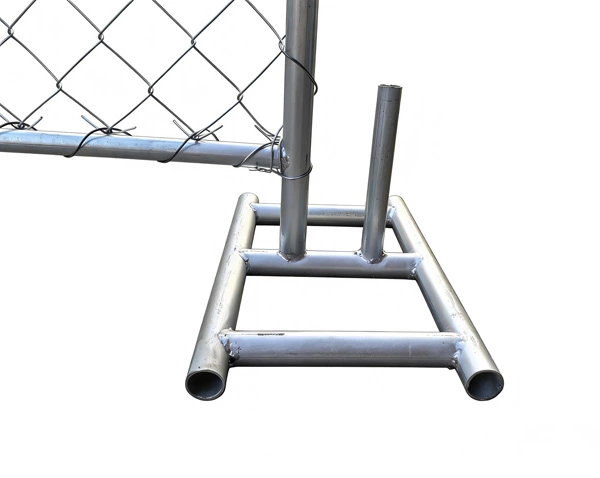
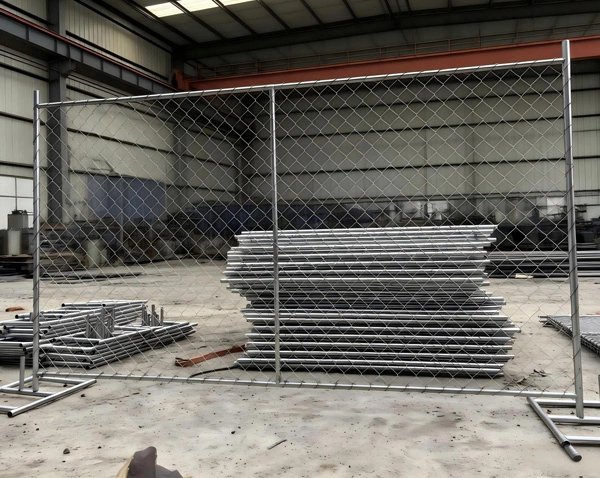
A Galvanized Panel Fence is an excellent choice for homeowners and businesses looking to enhance both security and privacy. The primary advantage of using a galvanized Panel Fence lies in its durability and resistance to corrosion. Galvanization, which involves coating steel with a layer of zinc, significantly extends the life of the fence by protecting it from rust and other forms of environmental damage. This makes it particularly suitable for areas with high humidity or exposure to saltwater, such as coastal regions.
Moreover, galvanized fences offer a robust barrier that can deter potential intruders. The panels are typically made from strong, thick metal, making them difficult to cut through or climb over. This feature, combined with their solid construction, provides a high level of security, ensuring that your property remains protected against unauthorized access.
Privacy is another key benefit. Unlike chain-link fences, which allow visibility, galvanized panel fences provide a complete visual barrier. This means that your outdoor space remains hidden from prying eyes, allowing you to enjoy your garden or backyard without feeling exposed. Additionally, the aesthetic appeal of these fences is often more pleasing than traditional alternatives, as they come in various designs and finishes that can complement any architectural style.
Installing a galvanized panel fence requires careful planning and execution to ensure maximum effectiveness. Here’s a detailed guide to help you through the process:
To further enhance the security and privacy provided by a galvanized panel fence, consider incorporating additional features. One effective option is to install a surveillance system, such as cameras or motion sensors, along the fence line. These devices can alert you to any suspicious activity and provide a visual record of events, which can be invaluable for security purposes.
Another way to boost privacy is to add decorative elements, such as lattice or trellises, to the top of the fence. These additions can increase the overall height of the fence, making it more difficult for outsiders to see over. Additionally, planting shrubs or trees along the fence line can create a natural barrier that further enhances privacy while adding a touch of greenery to your property.
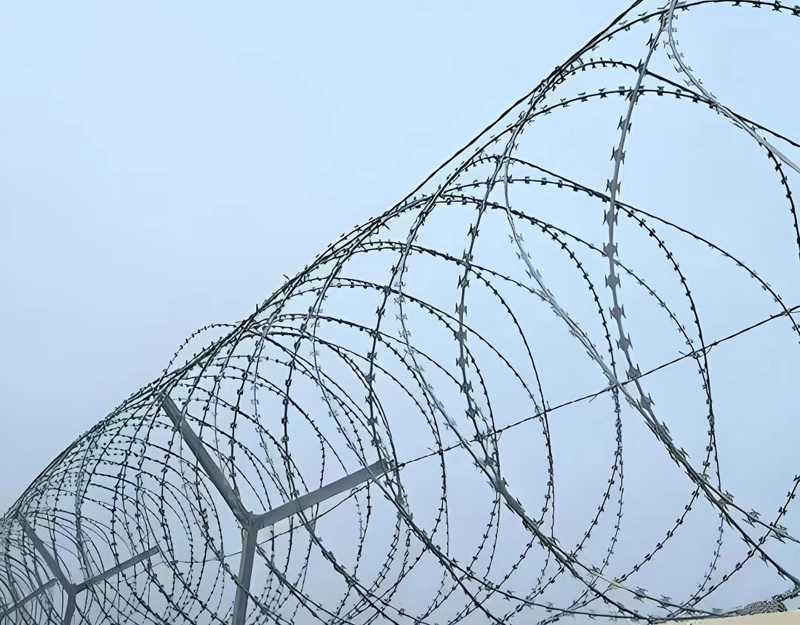
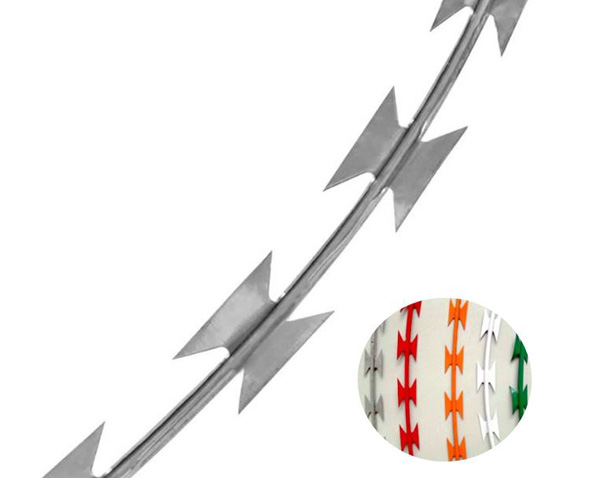
For added security, consider installing anti-climb devices, such as spikes or barbed wire, on the top of the fence. These features can deter potential intruders and make it more challenging for them to scale the fence. However, it’s important to check local regulations and homeowner association rules to ensure that these additions are permissible.
In conclusion, a galvanized panel fence offers a robust, durable, and aesthetically pleasing solution for enhancing both security and privacy. By following the step-by-step installation guide and considering additional features, you can create a fence that not only protects your property but also adds value and curb appeal to your home or business.

Leave a Reply