How to Choose the Right Industrial Wire Grid Solution for Your Business
Choosing the right industrial wire grid solution for your business is a critical decision that can significantly impact operational efficiency, safety, and overall productivity. With an array of options available in the market, it's essential to understand the key factors that influence the selection process. This guide will walk you through the essential considerations and provide insights into how to make the best choice for your specific needs.
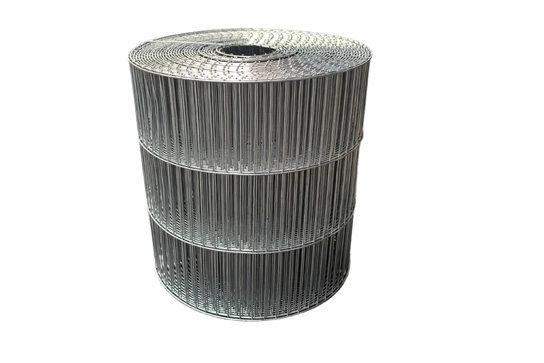
Industrial wire grids are versatile structures used in various applications, from storage and shelving to partitioning and safety barriers. These grids are typically made from high-strength materials such as steel or aluminum, designed to withstand heavy loads and harsh environmental conditions. The primary advantage of industrial wire grids is their ability to provide a clear line of sight, which is crucial for inventory management and security purposes. Additionally, they offer excellent air circulation, making them ideal for environments where ventilation is a priority.
Assessing Your Business Needs
Before diving into the specifics of different industrial wire grid solutions, it's essential to have a clear understanding of your business requirements. Start by evaluating the following:
- Load Capacity: Determine the maximum weight that the grid will need to support. This will help you choose the appropriate material and design.
- Environmental Conditions: Consider the environment in which the grid will be used. Factors such as temperature, humidity, and exposure to chemicals can affect the durability and performance of the grid.
- Space Constraints: Measure the available space and consider any height or width limitations. This will ensure that the grid fits seamlessly into your existing layout.
- Budget: Establish a budget for the project. Keep in mind that while cost is a significant factor, it should not compromise the quality and functionality of the grid.
By thoroughly assessing these factors, you can narrow down the options and focus on solutions that meet your specific needs.
Evaluating Material Options
The choice of material is a critical aspect of selecting the right industrial wire grid solution. Common materials include:
- Steel: Known for its strength and durability, steel is a popular choice for heavy-duty applications. It can handle substantial loads and is resistant to wear and tear. However, steel grids may be more susceptible to corrosion in humid or corrosive environments.
- Aluminum: Aluminum is lightweight and corrosion-resistant, making it an excellent option for environments where weight and rust are concerns. While it may not be as strong as steel, it offers a good balance between strength and weight.
- stainless steel: For applications requiring high levels of hygiene and resistance to corrosion, stainless steel is the optimal choice. It is more expensive than regular steel but offers superior durability and longevity.
Consider the specific demands of your application when choosing the material. For example, if your business operates in a highly corrosive environment, investing in stainless steel may be more cost-effective in the long run due to its longer lifespan.
Design and Configuration Considerations
The design and configuration of the industrial wire grid can significantly impact its functionality and ease of use. Key considerations include:
- Grid Spacing: The spacing between the wires can affect the visibility and airflow. Choose a grid with appropriate spacing based on your specific needs. For example, if you require high visibility, opt for wider spacing. If you need to prevent small objects from falling through, choose a tighter grid.
- Modularity: Modular designs allow for easy expansion and reconfiguration. This flexibility can be particularly beneficial if your business is growing or if you anticipate changes in your operations.
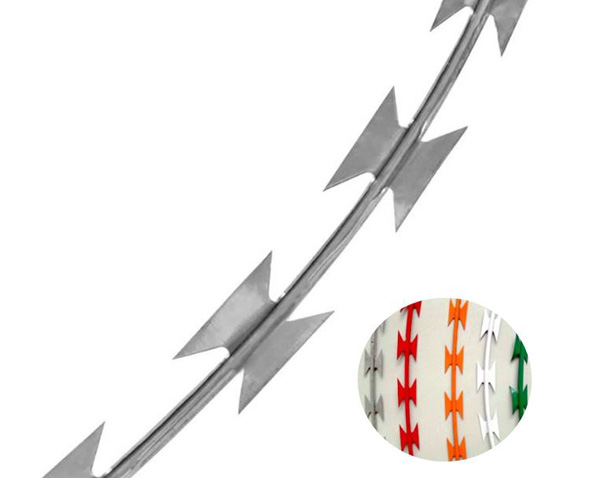
- Customization: Some suppliers offer customization options, such as different finishes, colors, and additional features like locking mechanisms or integrated lighting. Customization can enhance the functionality and aesthetics of the grid, making it a better fit for your business.
By carefully considering these design elements, you can ensure that the industrial wire grid solution you choose is both functional and adaptable to your evolving needs.
Installation and Maintenance Requirements
The installation and maintenance of industrial wire grids are crucial for ensuring their long-term performance and safety. Here are some key points to consider:
- Installation: Ensure that the grid is installed correctly and securely. Follow the manufacturer’s guidelines and, if necessary, consult with a professional installer. Proper installation is essential to prevent structural failures and ensure the safety of your employees.
- Maintenance: Regular maintenance is vital to extend the life of the grid and maintain its performance. This includes cleaning, inspecting for signs of wear or damage, and performing any necessary repairs. Establish a maintenance schedule and train your staff on the proper procedures to follow.
- Safety Compliance: Ensure that the grid complies with all relevant safety standards and regulations. This includes load capacity, fire resistance, and any industry-specific requirements. Compliance is not only a legal requirement but also a critical factor in maintaining a safe working environment.
By addressing these installation and maintenance considerations, you can ensure that your industrial wire grid solution remains reliable and safe over time.
Supplier Selection and Support
Choosing the right supplier is just as important as selecting the right industrial wire grid solution. A reputable supplier can provide valuable support throughout the selection, installation, and maintenance processes. When evaluating suppliers, consider the following:
- Experience and Reputation: Look for a supplier with a proven track record and positive customer reviews. Experience in your specific industry can be a significant advantage.
- Product Range and Customization: Ensure that the supplier offers a wide range of products and customization options to meet your specific needs.
- Technical Support and After-Sales Service: A good supplier should provide comprehensive technical support and after-sales service, including installation assistance, maintenance guidance, and prompt response to any issues that may arise.
- Warranty and Guarantees: Check the warranty and guarantee terms offered by the supplier. A robust warranty can provide peace of mind and protect your investment.
By selecting a reliable and supportive supplier, you can ensure a smooth and successful implementation of your industrial wire grid solution.
Conclusion
Choosing the right industrial wire grid solution for your business requires careful consideration of various factors, including your specific needs, material options, design and configuration, installation and maintenance, and supplier selection. By following the guidelines outlined in this report, you can make an informed decision that enhances your operational efficiency, safety, and overall productivity. Remember, the right industrial wire grid solution is an investment in the long-term success of your business.


 English
 China
China Thailand
 Malaysia
 Vietnam
 Laos
Laos Cambodia
 Pilipinas
 Indonesia
 Russian
 Portuguese
 Arabic
 Japanese
 Spanish
 Italian
 French
 German


Leave a Reply