How to Choose the Right Industrial Wire Barrier System for Your Facility
Choosing the right industrial wire barrier system for your facility is a critical decision that can significantly impact safety, security, and operational efficiency. This guide will provide you with a comprehensive overview of the key factors to consider when selecting an industrial wire barrier system, ensuring that your choice aligns with the specific needs and requirements of your facility.
Industrial wire barrier systems are designed to create physical barriers within or around facilities, offering a range of benefits. These systems are commonly used in warehouses, manufacturing plants, distribution centers, and other industrial environments. The primary purpose of these barriers is to delineate areas, protect equipment, and ensure the safety of personnel. By installing an industrial wire barrier system, you can:
- Enhance Safety: Prevent unauthorized access to hazardous areas, reducing the risk of accidents and injuries.
- Improve Security: Deter theft and vandalism by creating a visible and robust barrier.
- Optimize Space Utilization: Efficiently divide large spaces into smaller, more manageable areas without compromising on functionality.
- Comply with Regulations: Meet industry standards and regulations regarding workplace safety and security.
Understanding these benefits is the first step in making an informed decision about the type of industrial wire barrier system that best suits your facility's needs.
Evaluating the Types of Industrial Wire Barrier Systems
There are several types of industrial wire barrier systems available, each with its own set of features and applications. The most common types include:
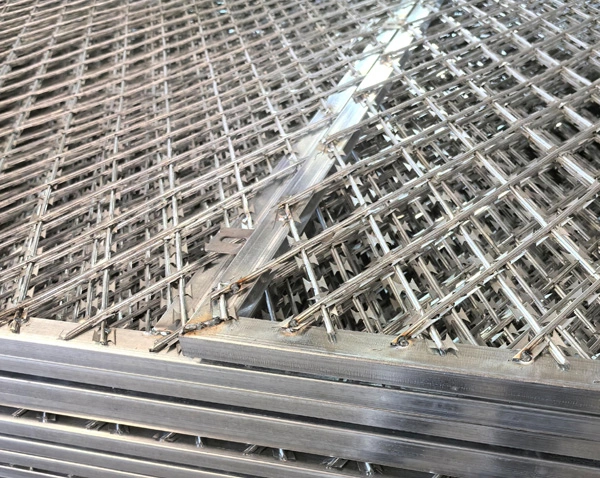
- wire mesh panels: These panels are made from welded wire mesh and are ideal for creating secure, yet see-through barriers. They are often used in areas where visibility is important, such as loading docks and storage areas.
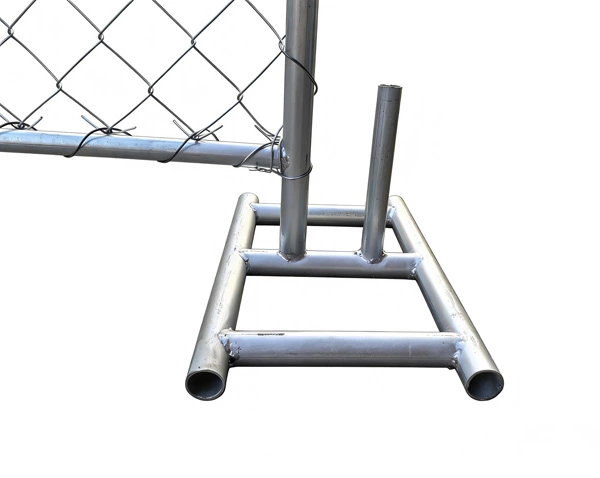
- chain link fencing: Chain link fencing is a cost-effective option that provides a high level of security. It is commonly used for perimeter security and can be easily installed and maintained.
- Steel guardrails: Steel guardrails are robust and durable, making them suitable for heavy-duty applications. They are often used in areas where there is a need to protect against vehicle impacts, such as in parking lots and along walkways.
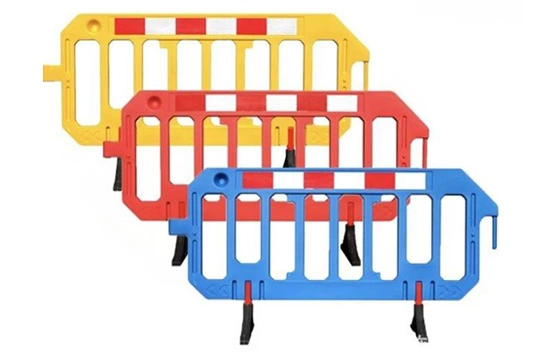
- Modular Barrier Systems: Modular barrier systems are highly flexible and can be easily reconfigured to meet changing needs. They are ideal for facilities that require frequent layout changes or have limited space.
Each type of industrial wire barrier system has its own advantages and limitations. Evaluating these options based on your specific requirements will help you make the best choice.
Assessing the Durability and Maintenance Requirements
One of the key considerations when choosing an industrial wire barrier system is its durability and maintenance requirements. A well-constructed and properly maintained barrier system can last for many years, providing long-term value and reliability. Here are some factors to consider:
- Material Quality: Look for systems made from high-quality materials, such as galvanized steel or stainless steel, which offer excellent resistance to corrosion and wear.
- Finish and Coatings: A durable finish, such as powder coating or electroplating, can extend the lifespan of the barrier system and enhance its appearance.
- Maintenance Requirements: Consider the ease of maintenance, including cleaning, inspection, and repair. Some systems may require more frequent maintenance than others, which can impact their overall cost-effectiveness.
- Warranty and Support: Choose a supplier that offers a comprehensive warranty and ongoing support. This ensures that you have access to assistance and replacement parts if needed.
By carefully assessing the durability and maintenance requirements of different industrial wire barrier systems, you can select a solution that provides long-term value and reliability.
Considering the Installation and Customization Options
The installation process and customization options are also important factors to consider when choosing an industrial wire barrier system. A well-designed and properly installed system can significantly enhance the functionality and aesthetics of your facility. Here are some key points to keep in mind:
- Installation Complexity: Evaluate the complexity of the installation process. Some systems may require professional installation, while others can be installed in-house with minimal effort.
- Customization Options: Look for systems that offer a range of customization options, such as different heights, colors, and configurations. This allows you to tailor the barrier system to your specific needs and preferences.
- Integration with Existing Infrastructure: Consider how the barrier system will integrate with your existing infrastructure, such as doors, windows, and other security measures. Ensure that the system can be seamlessly integrated without compromising on functionality.
- Scalability and Flexibility: If your facility is likely to undergo changes in the future, choose a system that is scalable and flexible. This will allow you to easily adapt the barrier system as your needs evolve.
By considering the installation and customization options, you can ensure that the industrial wire barrier system you choose is not only effective but also easy to install and customize to meet your specific requirements.
Ensuring Compliance with Industry Standards and Regulations
Compliance with industry standards and regulations is a critical aspect of choosing an industrial wire barrier system. Failure to comply with these standards can result in fines, legal issues, and, most importantly, compromised safety and security. Here are some key points to consider:
- Industry-Specific Standards: Different industries have their own specific standards and regulations. For example, the Occupational Safety and Health Administration (OSHA) sets standards for workplace safety in the United States. Ensure that the industrial wire barrier system you choose meets the relevant industry standards.
- Local Building Codes: Local building codes and zoning laws may also impact the type of barrier system you can install. Check with local authorities to ensure that the system complies with all applicable regulations.
- Third-Party Certifications: Look for systems that have been certified by third-party organizations, such as UL (Underwriters Laboratories) or ASTM (American Society for Testing and Materials). These certifications provide assurance that the system meets rigorous quality and safety standards.
- Documentation and Record-Keeping: Maintain proper documentation and records of the installation and maintenance of the barrier system. This can be crucial for compliance audits and in the event of any legal disputes.
By ensuring compliance with industry standards and regulations, you can protect your facility, employees, and assets, and avoid potential legal and financial consequences.
Conclusion
Choosing the right industrial wire barrier system for your facility involves a careful evaluation of various factors, including the purpose and benefits, types of systems available, durability and maintenance requirements, installation and customization options, and compliance with industry standards and regulations. By taking a comprehensive and systematic approach, you can select a system that enhances safety, security, and operational efficiency, while also meeting your specific needs and requirements.
Investing in a high-quality industrial wire barrier system is a long-term investment that can provide significant benefits for your facility. By following the guidelines outlined in this article, you can make an informed decision that will serve your facility well for years to come.


 English
 China
China Thailand
 Malaysia
 Vietnam
 Laos
Laos Cambodia
 Pilipinas
 Indonesia
 Russian
 Portuguese
 Arabic
 Japanese
 Spanish
 Italian
 French
 German


Leave a Reply