

 English
 China
China Thailand
 Malaysia
 Vietnam
 Laos
Laos Cambodia
 Pilipinas
 Indonesia
 Russian
 Portuguese
 Arabic
 Japanese
 Spanish
 Italian
 French
 German
News
- Home
- News
- Company News
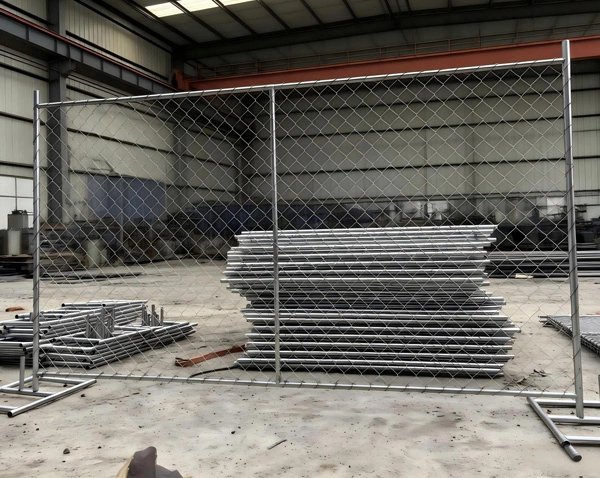
Chicken wire fence, a common sight in many rural and suburban areas, is an essential tool for poultry farmers and backyard enthusiasts alike. Its primary function is to protect poultry from predators, but it also serves as a barrier against unwanted intrusions. This report will explore the effectiveness of Chicken Wire Fences in protecting poultry, with a particular focus on how they can be integrated with anti-climb fence technology to enhance overall security.
Poultry farming is a significant agricultural activity, providing a source of income and food for millions of people worldwide. However, the success of a poultry farm depends heavily on the ability to protect the birds from various threats. Predators such as foxes, raccoons, and even domestic dogs can cause substantial losses if not properly managed. Additionally, theft and vandalism are also potential risks that need to be addressed. Therefore, a robust and reliable fencing system is crucial for the safety and well-being of the poultry.
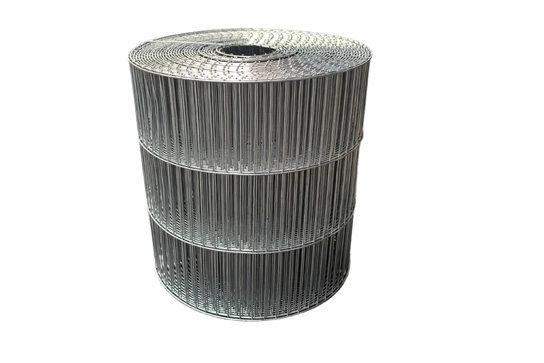
Chicken wire, also known as poultry netting, is a mesh of wire commonly used to enclose chickens and other small animals. It is typically made from galvanized steel or plastic-coated wire, which provides durability and resistance to corrosion. The mesh size of chicken wire is usually small enough to prevent small predators from entering the enclosure, making it an effective barrier for most common threats. However, its effectiveness can be limited by larger and more determined predators, which is where the integration of anti-climb fence technology becomes particularly valuable.
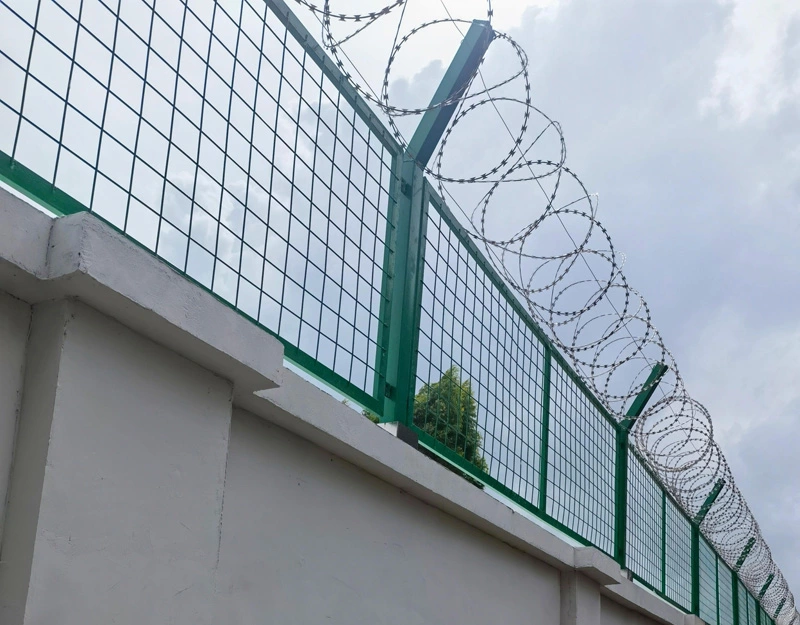
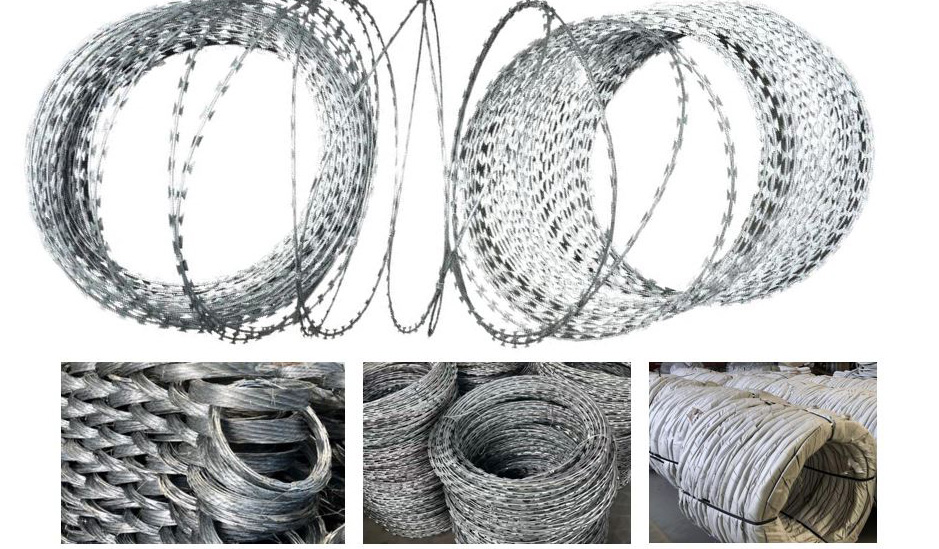
Anti-climb fence technology is designed to deter and prevent unauthorized access by making it difficult for individuals or animals to scale the fence. This type of fencing often includes features such as barbed wire, spikes, or smooth, slippery surfaces that make climbing nearly impossible. When combined with chicken wire, the resulting fence system provides a multi-layered defense mechanism that significantly enhances the overall security of the poultry enclosure.
For example, a chicken wire fence can be topped with a layer of anti-climb fence, such as barbed wire, to prevent predators from scaling the fence. Alternatively, the entire perimeter of the enclosure can be reinforced with anti-climb panels, creating a more formidable barrier. This combination not only deters predators but also acts as a psychological deterrent, discouraging potential intruders from attempting to breach the fence.
The installation of a chicken wire fence with integrated anti-climb fence technology requires careful planning and execution. The first step is to assess the specific needs of the poultry enclosure, including the types of predators in the area and the level of security required. Once the requirements are determined, the appropriate materials and design can be selected.
During installation, it is important to ensure that the fence is securely anchored to the ground and that there are no gaps or weak points that could be exploited by predators. Regular maintenance is also crucial to keep the fence in good condition. This includes checking for any damage, such as rust or broken wires, and repairing or replacing them as needed. Additionally, vegetation should be kept clear of the fence to prevent it from being used as a means of climbing over.
While the initial cost of installing a chicken wire fence with anti-climb fence technology may be higher than a standard chicken wire fence, the long-term benefits often justify the investment. The enhanced security provided by this integrated system can lead to reduced losses from predation and theft, resulting in higher productivity and profitability for the poultry farm. Moreover, the durability of the materials used in these fences means that they require less frequent replacement, further reducing long-term costs.
Additionally, the peace of mind that comes with knowing your poultry is well-protected is invaluable. Farmers and backyard enthusiasts can focus on other aspects of their operations, confident that their birds are safe from harm. This can lead to improved overall management and a more successful and sustainable poultry operation.
In conclusion, chicken wire fences, when combined with anti-climb fence technology, provide a highly effective and secure solution for protecting poultry. By understanding the importance of poultry protection, the characteristics of chicken wire, and the benefits of integrating anti-climb features, farmers and enthusiasts can create a robust and reliable fencing system. Proper installation and regular maintenance are key to ensuring the long-term effectiveness of the fence, and the cost-effectiveness and peace of mind that come with this investment make it a worthwhile consideration for any poultry operation.




Leave a Reply