

 English
 China
China Thailand
 Malaysia
 Vietnam
 Laos
Laos Cambodia
 Pilipinas
 Indonesia
 Russian
 Portuguese
 Arabic
 Japanese
 Spanish
 Italian
 French
 German
News
- Home
- News
- Company News
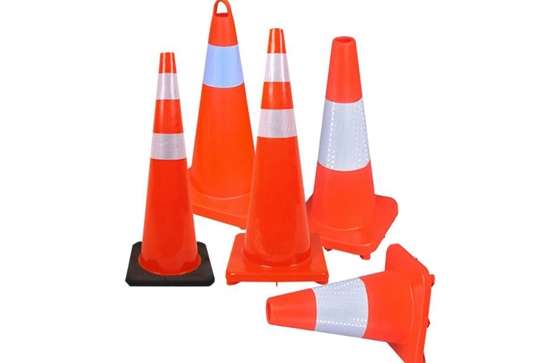
When it comes to enhancing safety on roads, construction sites, and public areas, the right Traffic Cone for Sale is an indispensable tool. This article delves into the specifics of choosing the appropriate Construction Cone, highlighting key factors that influence their effectiveness and suitability for various applications.
Traffic cones play a crucial role in managing traffic flow and ensuring safety during road works, accidents, or other emergencies. They serve as visual barriers, guiding drivers and pedestrians away from hazardous areas. The primary purpose of a traffic cone is to alert and direct, making it essential to select one that meets the specific needs of the situation at hand. For instance, in low-visibility conditions, a cone with reflective strips would be more effective than a standard one. Similarly, in high-traffic areas, heavier, more durable cones are necessary to withstand the elements and remain in place.
The material of a traffic cone significantly impacts its durability, visibility, and overall functionality. Common materials include PVC (Polyvinyl Chloride), rubber, and plastic. Each has its own set of advantages and disadvantages:
Selecting the right material depends on the intended use and environmental conditions. For example, if the cones will be used in a high-traffic area where they are likely to be hit by vehicles, a more durable material like rubber would be preferable. Conversely, for temporary setups where ease of transport is a priority, PVC cones might be the better choice.
One of the most critical aspects of a traffic cone is its visibility. High-visibility cones are designed to be easily seen from a distance, even in low-light conditions. This is particularly important for ensuring the safety of both workers and the general public. Reflective strips are a common feature on high-visibility cones, and they come in different types:
Choosing the right type of reflective strip depends on the specific needs of the application. For example, in areas with heavy traffic and high-speed vehicles, diamond grade reflective strips would be the best choice to ensure maximum visibility and safety.
Another important factor to consider when selecting a traffic cone is its weight and stability. A cone that is too light may be easily knocked over by wind or vehicles, while a cone that is too heavy may be difficult to move and position. The ideal weight and stability depend on the specific use case and environmental conditions:
For example, in a construction site where cones need to be frequently repositioned, a moderate-weight cone would be the best choice. In contrast, for a highway where cones need to remain in place for extended periods, a heavyweight cone would be more appropriate.
When purchasing traffic cones, it is essential to ensure that they meet the relevant regulatory standards. In many countries, there are specific guidelines and requirements for the size, color, and reflectivity of traffic cones. For example, in the United States, the Manual on Uniform Traffic Control Devices (MUTCD) sets the standards for traffic control devices, including traffic cones. Compliance with these standards ensures that the cones are effective and legally acceptable for use on public roads.
Key considerations for compliance include:
By adhering to these standards, you can ensure that the traffic cones you purchase are not only effective but also compliant with local regulations, reducing the risk of legal issues and enhancing overall safety.
Selecting the right traffic cone for sale is a critical decision that can significantly impact the safety and efficiency of your operations. By considering the purpose, material, visibility, weight, and compliance, you can choose a cone that is well-suited to your specific needs. Whether you are managing a construction site, directing traffic, or ensuring safety in public areas, the right traffic cone can make all the difference.
Remember, the goal is to enhance safety and visibility, so take the time to evaluate your options carefully. With the right traffic cone, you can create a safer environment for everyone involved.

Leave a Reply