

 English
 China
China Thailand
 Malaysia
 Vietnam
 Laos
Laos Cambodia
 Pilipinas
 Indonesia
 Russian
 Portuguese
 Arabic
 Japanese
 Spanish
 Italian
 French
 German
News
- Home
- News
- Company News
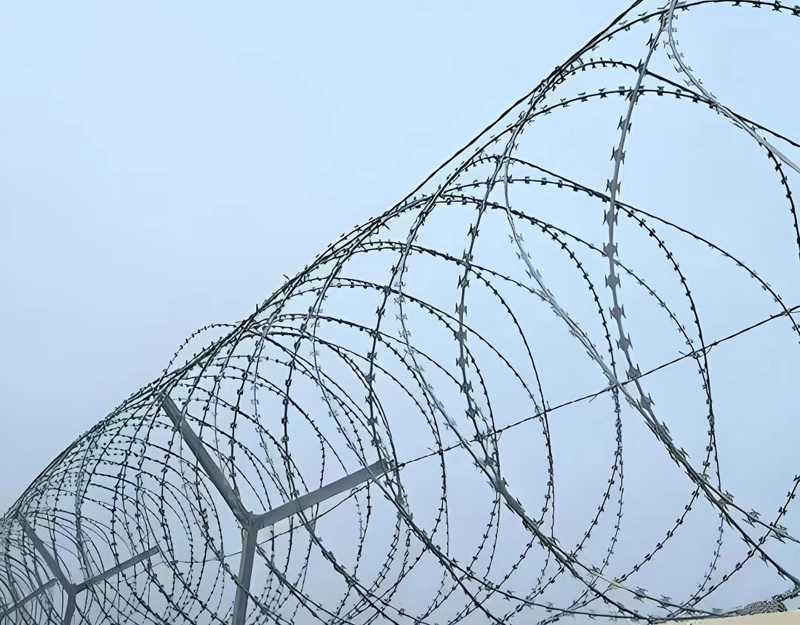
barbed wire, a simple yet effective tool, has been an integral part of human society for over a century. Its applications range from agricultural fencing to military fortifications, and its symbolism in modern society is both profound and multifaceted. This report delves into the various symbolic meanings of barbed wire, exploring how it reflects societal values, security concerns, and cultural divides.
Understanding the symbolism of barbed wire requires a brief look at its historical context. Invented in the 19th century, barbed wire was initially used to demarcate property lines and manage livestock. However, its use quickly expanded beyond agriculture. During the American Civil War and subsequent conflicts, barbed wire became a crucial element in military fortifications, symbolizing the harsh realities of war and the need for defense. The evolution of barbed wire from a practical tool to a symbol of control and division is a testament to its enduring impact on society.
In modern society, barbed wire often serves as a physical and psychological barrier, representing the need for security and control. It is commonly seen in prisons, military installations, and high-security facilities. The presence of barbed wire in these environments underscores the importance of maintaining order and preventing unauthorized access. Additionally, the use of barbed wire in residential areas, particularly in neighborhoods with high crime rates, highlights the fear and insecurity that many individuals feel. The sharp, intimidating nature of barbed wire reinforces the message that certain areas are off-limits, and crossing them will result in severe consequences.
One of the most significant symbolic roles of barbed wire is its representation of social division. In border regions, barbed wire fences serve as physical manifestations of national boundaries, separating one country from another. These barriers not only prevent illegal immigration but also symbolize the political and economic disparities between nations. The construction of such fences, like the U.S.-Mexico border wall, has sparked intense debates about immigration policies and the treatment of migrants. Barbed wire, in this context, becomes a powerful symbol of exclusion and the dehumanization of those seeking a better life. Furthermore, within societies, barbed wire can be seen as a metaphor for the divisions between different social classes and communities, highlighting the inequalities and tensions that exist.
Artists and filmmakers have long used barbed wire as a potent symbol in their work. In visual arts, barbed wire is often depicted to convey themes of confinement, oppression, and resistance. For example, in the works of artists like Banksy, barbed wire is used to critique political systems and highlight the struggles of marginalized groups. In film and literature, barbed wire appears in settings that emphasize the harshness of life and the struggle for freedom. Movies like "The Great Escape" and novels such as "The Kite Runner" use barbed wire to create a sense of tension and danger, reflecting the broader narrative of conflict and survival. Through these artistic expressions, barbed wire transcends its physical form to become a symbol of the human condition and the challenges we face.
While barbed wire is an effective tool for security and boundary management, its use raises important environmental and ethical considerations. The installation of barbed wire can have detrimental effects on wildlife, causing injuries and even death to animals that come into contact with it. This has led to calls for more humane alternatives, such as electric fencing or natural barriers. Additionally, the use of barbed wire in refugee camps and detention centers has raised ethical concerns about the treatment of vulnerable populations. The harsh and unforgiving nature of barbed wire can contribute to a sense of dehumanization and despair, further exacerbating the already difficult circumstances faced by those in these settings. As society grapples with these issues, there is a growing recognition of the need to balance security with compassion and respect for human rights.
In conclusion, barbed wire is a complex and multifaceted symbol in modern society. It represents the need for security and control, the divisions that exist within and between societies, and the ethical and environmental challenges that arise from its use. By examining the various symbolic meanings of barbed wire, we gain a deeper understanding of the societal values and concerns that shape our world. As we continue to navigate the complexities of the 21st century, the symbolism of barbed wire will undoubtedly remain a relevant and thought-provoking topic.


Leave a Reply