

 English
 China
China Thailand
 Malaysia
 Vietnam
 Laos
Laos Cambodia
 Pilipinas
 Indonesia
 Russian
 Portuguese
 Arabic
 Japanese
 Spanish
 Italian
 French
 German
News
- Home
- News
- Company News
With the rapid development of modern manufacturing, the importance of a robust industrial chain has become increasingly evident. An industrial chain link mesh product, for instance, exemplifies how different components of the manufacturing process are interconnected and how they collectively contribute to the overall efficiency and effectiveness of production. This report aims to delve into the strengths of an industrial chain within the context of contemporary manufacturing, highlighting key aspects that make it indispensable in today’s global market.
In the realm of modern manufacturing, the concept of interconnectivity is pivotal. Each component of the industrial chain, from raw material suppliers to end consumers, plays a crucial role in maintaining the flow of goods and services. By ensuring seamless communication and coordination among these entities, manufacturers can significantly reduce lead times, minimize waste, and enhance overall productivity. The use of advanced technologies such as the Internet of Things (IoT) and blockchain further strengthens this interconnectivity, allowing for real-time tracking and transparency across the supply chain.
One of the most significant strengths of a well-structured industrial chain is its ability to adapt to changing market conditions and unforeseen disruptions. In recent years, the global economy has faced numerous challenges, including natural disasters, geopolitical tensions, and, most notably, the COVID-19 pandemic. A resilient industrial chain is characterized by its flexibility and redundancy, enabling it to quickly pivot and adjust to new circumstances. For example, during the pandemic, many manufacturers were able to reconfigure their supply chains to source alternative materials and maintain production levels, thereby minimizing the impact on their operations.
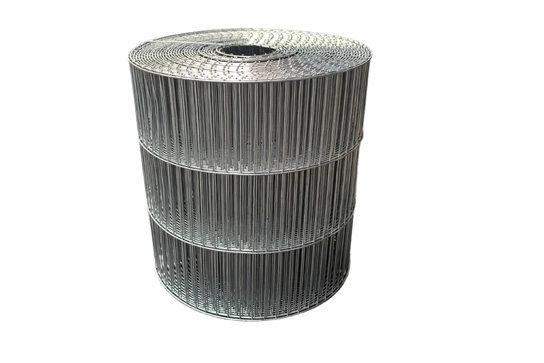
The integration of cutting-edge technology is another critical factor that enhances the strength of an industrial chain. Advanced manufacturing processes, such as 3D printing, robotics, and artificial intelligence (AI), not only improve the quality and consistency of products but also enable greater customization and innovation. Moreover, the adoption of digital platforms and data analytics allows for better decision-making and predictive maintenance, reducing downtime and operational costs. The industrial chain link mesh product itself is a testament to the power of technological integration, as it combines precision engineering with durable materials to create a versatile and reliable solution for various applications.
In the current era, sustainability has become a top priority for both businesses and consumers. A strong industrial chain is one that prioritizes environmental responsibility and sustainable practices. This includes the use of eco-friendly materials, energy-efficient processes, and waste reduction strategies. By implementing green initiatives, manufacturers can not only reduce their carbon footprint but also appeal to a growing segment of environmentally conscious consumers. Additionally, sustainable practices often lead to long-term cost savings and improved brand reputation, making them a win-win for both the company and the planet.
Finally, the strength of an industrial chain is also reflected in its ability to support globalization and market expansion. In today’s interconnected world, companies must be able to reach and serve customers across different regions and cultures. A well-established industrial chain enables manufacturers to navigate the complexities of international trade, including regulatory compliance, logistics, and cultural differences. By leveraging a global network of suppliers and partners, companies can tap into new markets, diversify their customer base, and achieve sustained growth. The industrial chain link mesh product serves as a prime example of a product that benefits from a global supply chain, as it can be manufactured, distributed, and utilized in various countries, contributing to the economic development of each region.
In conclusion, the strengths of an industrial chain in modern manufacturing are multifaceted and far-reaching. From enhancing efficiency and adaptability to fostering innovation and sustainability, a robust industrial chain is essential for success in today’s competitive landscape. As the manufacturing industry continues to evolve, the importance of a well-structured and technologically advanced industrial chain will only continue to grow, driving progress and prosperity for all stakeholders involved.


Leave a Reply