

 English
 China
China Thailand
 Malaysia
 Vietnam
 Laos
Laos Cambodia
 Pilipinas
 Indonesia
 Russian
 Portuguese
 Arabic
 Japanese
 Spanish
 Italian
 French
 German
News
- Home
- News
- Company News
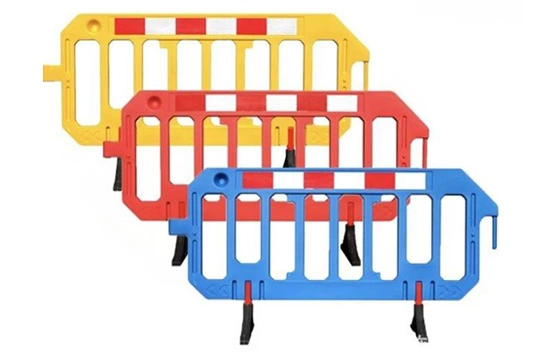
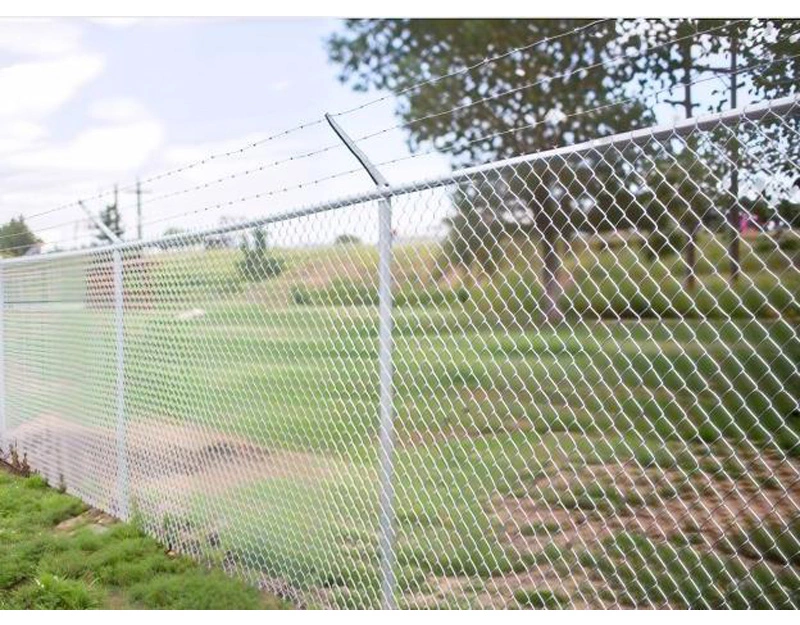
The construction of panel fences is a critical aspect in both residential and commercial settings, not only for demarcation but also for security and aesthetic purposes. This technical report aims to explore the durability and design aspects of Panel Fences, with a particular focus on their application as Construction Barriers. The analysis will cover material selection, structural integrity, and innovative designs that enhance functionality while maintaining an appealing appearance.
One of the most crucial elements influencing the longevity and maintenance requirements of panel fences is the choice of materials. Commonly used materials include wood, metal (such as aluminum or steel), and composite materials. Each type offers unique advantages and disadvantages, which must be carefully considered based on the specific needs of the project and the environment where the fence will be installed. For instance, wooden fences are popular for their natural beauty and versatility in design, yet they require more upkeep than their metal counterparts due to susceptibility to rot, insect damage, and weathering. On the other hand, metal fences, particularly those made from galvanized steel or aluminum, offer exceptional strength and resistance to corrosion, making them ideal for long-term use even in harsh environmental conditions. Composite materials, blending the best properties of wood and plastic, provide a low-maintenance alternative that can mimic the look of traditional wood without the associated drawbacks. The decision on material selection should therefore be guided by factors such as cost, expected lifespan, required maintenance, and desired aesthetic outcome.
A well-designed panel fence not only enhances the visual appeal of a property but also serves as a robust Construction Barrier, providing essential safety and privacy. To ensure that these structures meet the necessary standards of durability and stability, it's vital to pay close attention to their design and installation. Key considerations include the quality of components used, proper anchoring techniques, and adherence to local building codes. For example, using high-quality fasteners and connectors can significantly increase the overall strength and reliability of the fence. Additionally, the method of securing posts into the ground, whether through concrete footings or specialized anchors, plays a crucial role in preventing tilting or collapse under stress, such as strong winds or accidental impacts. Regular inspections and timely repairs are also important to maintain the structural integrity of the fence over time, ensuring it remains a reliable and effective barrier throughout its service life.
Modern advancements in manufacturing technologies have opened up new possibilities for creating panel fences that are both highly functional and visually appealing. Innovative designs now allow for customization in terms of color, texture, and shape, enabling homeowners and businesses to select options that perfectly complement their existing architecture and landscaping. Features like decorative panels, intricate patterns, or even integrated lighting systems can transform a simple boundary marker into a striking focal point. Moreover, there is a growing trend towards sustainable solutions, with many manufacturers offering eco-friendly materials and production processes. These environmentally conscious choices not only reduce the carbon footprint of the fencing but also appeal to consumers who prioritize sustainability. By integrating these cutting-edge design elements, panel fences can serve as effective Construction Barriers while also enhancing the overall value and attractiveness of the property.
Panel fences, when designed and constructed with careful consideration of material selection, structural integrity, and innovative design, can significantly contribute to the safety, privacy, and aesthetic appeal of a property. As versatile and durable Construction Barriers, they play a vital role in various applications, from delineating boundaries to providing security. The key to maximizing their benefits lies in understanding the specific requirements of each project and choosing the right combination of materials, installation methods, and design features. By doing so, one can create a fence that not only meets practical needs but also adds lasting value and charm to any setting.

Leave a Reply