Expert Advice on Barbed Wire Installation for Optimal Security
When it comes to securing agricultural properties, the right choice of fencing materials and installation techniques can make a significant difference. barbed wire, known for its durability and cost-effectiveness, is a popular option. However, integrating wire mesh for agricultural use alongside barbed wire can enhance the overall security and functionality of the enclosure. This report will delve into expert advice on installing barbed wire for optimal security, while also exploring how wire mesh can complement this setup in an agricultural setting.
Understanding the Role of Barbed Wire in Agricultural Security
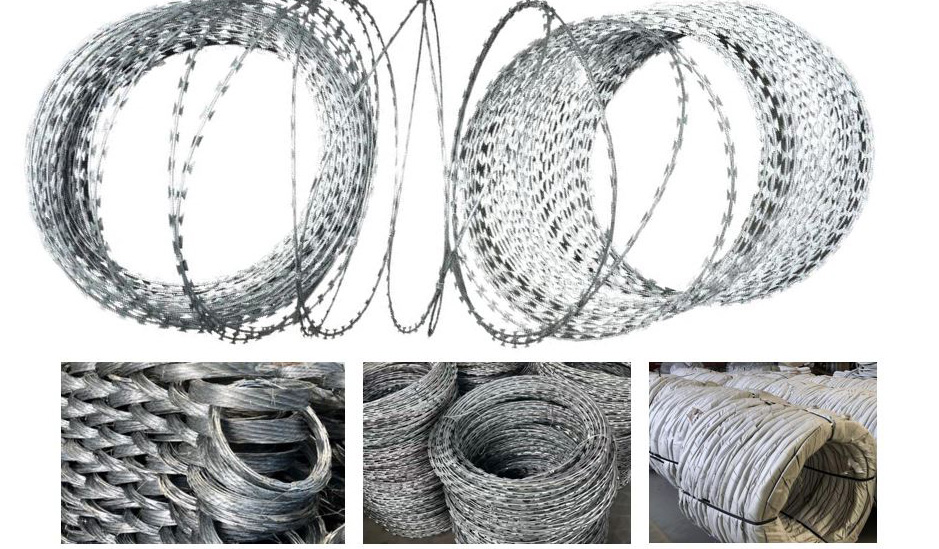
Barbed wire has been a staple in agricultural fencing for decades due to its robust nature and ability to deter both human and animal intruders. The sharp points on the wire act as a physical and psychological barrier, making it an effective deterrent against unauthorized access. For farmers and ranchers, this means not only protecting valuable livestock but also safeguarding crops from wildlife and potential thieves. Properly installed, barbed wire can last for years with minimal maintenance, making it a cost-effective solution for large areas that require fencing.
Key Considerations for Optimal Barbed Wire Installation
The effectiveness of barbed wire as a security measure largely depends on how well it is installed. Here are some key considerations to ensure that your barbed wire fence provides the best possible protection:
- Material Quality: Choose high-quality barbed wire that meets industry standards. Inferior materials may corrode or break easily, compromising the integrity of the fence.
- Proper Spacing: The spacing between wires and posts should be consistent and appropriate for the type of security needed. For example, tighter spacing is often used in areas where smaller animals might try to squeeze through.
- Post Selection and Placement: Use sturdy, treated wooden posts or metal T-posts that are deeply anchored into the ground. Posts should be spaced no more than 10-12 feet apart to maintain the strength of the fence line.
- Tension and Tightening: Ensure that the barbed wire is properly tensioned. Loose wire can sag, allowing intruders to pass under or over it. Regular checks and adjustments are necessary to maintain the correct tension.
- Regular Maintenance: Inspect the fence regularly for signs of wear, damage, or corrosion. Address any issues promptly to prevent further deterioration and potential breaches.
Integrating Wire Mesh for Enhanced Protection
While barbed wire is excellent for deterring intruders, it may not be sufficient for all security needs, especially in areas where small animals or pests are a concern. This is where wire mesh for agricultural use can play a crucial role. Wire mesh, often made of galvanized steel, provides a finer barrier that can prevent smaller animals from entering the property. It can be installed in conjunction with barbed wire to create a multi-layered security system.
Wire mesh can be particularly useful in the following scenarios:
- Small Animal Control: In regions where rabbits, rodents, or other small animals pose a threat to crops, wire mesh can be installed at the base of the fence to prevent them from burrowing underneath or squeezing through gaps.
- Boundary Marking: Wire mesh can serve as a clear visual boundary, helping to delineate property lines and reduce accidental trespassing.
- Enhanced Durability: When combined with barbed wire, wire mesh can add an extra layer of strength and durability to the fence, making it more resistant to weather and other environmental factors.
Best Practices for Installing Wire Mesh in Agricultural Settings
To maximize the benefits of wire mesh, it is essential to follow best practices during installation. Here are some guidelines to consider:
- Choose the Right Gauge: The gauge of the wire mesh should be appropriate for the intended purpose. Thicker gauges are more durable but may be more difficult to work with, while thinner gauges are easier to install but may not be as strong.
- Secure Attachment: Ensure that the wire mesh is securely attached to the posts and the barbed wire. Use appropriate fasteners such as staples, clips, or ties to prevent it from coming loose.
- Overlap and Seams: Overlap the edges of the wire mesh to create a seamless barrier. This prevents gaps that could be exploited by small animals or pests.
- Burial Depth: If the wire mesh is being used to prevent burrowing, bury it several inches below the ground surface to create a complete barrier. This can be done by digging a trench along the fence line and then backfilling it after the mesh is in place.
- Regular Inspection and Maintenance: Like barbed wire, wire mesh requires regular inspection and maintenance to ensure it remains effective. Check for any signs of wear, damage, or corrosion and address them promptly.
Conclusion: A Comprehensive Approach to Agricultural Security
Securing agricultural properties is a multifaceted task that requires a combination of effective materials and proper installation techniques. Barbed wire, with its proven track record, is a reliable choice for deterring intruders. However, integrating wire mesh for agricultural use can provide additional layers of protection, particularly against smaller animals and pests. By following the best practices outlined in this report, farmers and ranchers can create a robust and durable fencing system that enhances the overall security of their properties.
Ultimately, a comprehensive approach to agricultural security involves careful planning, high-quality materials, and meticulous installation. By combining the strengths of barbed wire and wire mesh, property owners can achieve a level of protection that is both effective and long-lasting.


 English
 China
China Thailand
 Malaysia
 Vietnam
 Laos
Laos Cambodia
 Pilipinas
 Indonesia
 Russian
 Portuguese
 Arabic
 Japanese
 Spanish
 Italian
 French
 German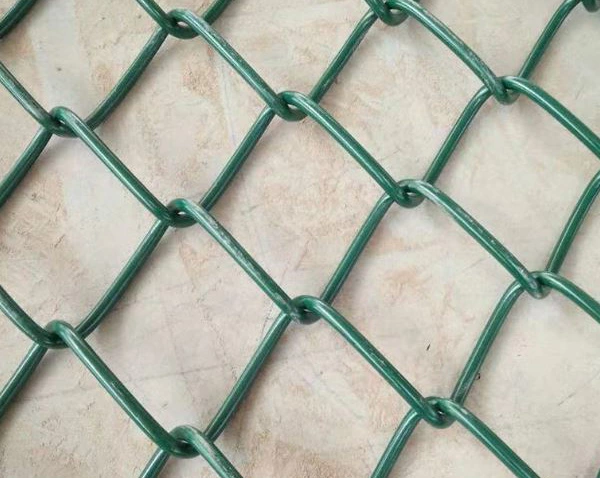
Leave a Reply