

 English
 China
China Thailand
 Malaysia
 Vietnam
 Laos
Laos Cambodia
 Pilipinas
 Indonesia
 Russian
 Portuguese
 Arabic
 Japanese
 Spanish
 Italian
 French
 German
News
- Home
- News
- Company News
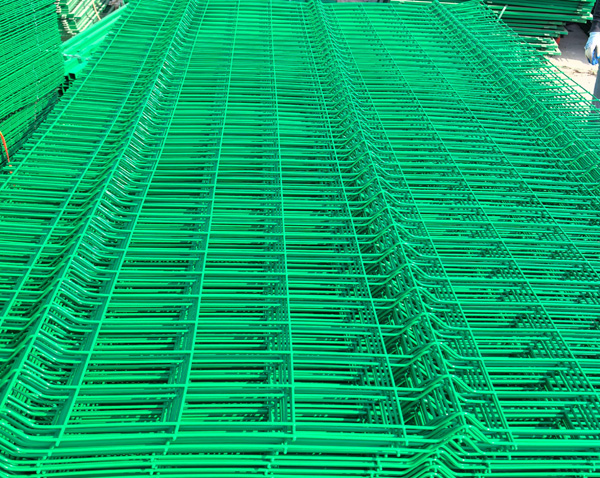
In this technical report, we delve into the effectiveness of sharp edge protection systems, focusing particularly on the role of Protective Workshop Mesh. The study aims to provide a comprehensive evaluation by analyzing the materials, design, and application scenarios of such protective measures. Through a detailed examination, we aim to highlight key factors that influence the performance of these systems in safeguarding workers from injuries caused by sharp edges. This report will be valuable for safety managers, engineers, and manufacturers looking to enhance workplace safety through the implementation of effective sharp edge protection solutions.
Sharp edges pose a significant risk in various industrial settings, leading to cuts, lacerations, and other severe injuries. These hazards are commonly found in manufacturing, construction, and maintenance environments where metal, glass, and other materials are frequently handled. The presence of sharp edges not only endangers workers but also contributes to increased downtime and medical costs. By implementing robust protection systems, such as Protective Workshop Mesh, the likelihood of these injuries can be significantly reduced.
Workplace safety regulations, such as those set by OSHA (Occupational Safety and Health Administration) and ISO (International Organization for Standardization), mandate the use of appropriate protective measures to mitigate the risks associated with sharp edges. Compliance with these standards is crucial for ensuring a safe working environment. Protective Workshop Mesh, designed to meet or exceed these regulatory requirements, provides a reliable solution for protecting workers from sharp edge hazards. Understanding and adhering to these standards is essential for maintaining a high level of safety in the workplace.
The choice of material for Protective Workshop Mesh is critical to its effectiveness. Common materials include stainless steel, galvanized steel, and high-strength polymers. Each material has unique properties that make it suitable for specific applications. For instance, stainless steel offers excellent corrosion resistance and durability, making it ideal for harsh environments. Galvanized steel, on the other hand, provides a cost-effective solution with good rust resistance. High-strength polymers, while lighter and more flexible, may be less durable in extreme conditions. Selecting the right material based on the specific needs of the workplace is essential for ensuring long-term performance and safety.
The design and installation of Protective Workshop Mesh play a vital role in its effectiveness. Proper design should consider factors such as the size and shape of the mesh, the type of edges being protected, and the overall layout of the workspace. Installation best practices include ensuring the mesh is securely fastened, properly aligned, and free from gaps or overlaps. Regular inspections and maintenance are also crucial to ensure the mesh remains in optimal condition. By following these best practices, the Protective Workshop Mesh can provide a reliable and effective barrier against sharp edge hazards.
To ensure the reliability of Protective Workshop Mesh, rigorous testing and certification processes are essential. These tests typically include tensile strength, impact resistance, and corrosion resistance assessments. Third-party certifications, such as those from UL (Underwriters Laboratories) or TÜV (Technischer Überwachungsverein), provide independent validation of the mesh's performance. These certifications not only enhance the credibility of the product but also give users confidence in its ability to protect against sharp edge hazards. Regular re-certification and adherence to updated standards further ensure the ongoing effectiveness of the mesh.
Real-world case studies provide valuable insights into the practical application and effectiveness of Protective Workshop Mesh. For example, a case study from a manufacturing plant that implemented the mesh reported a 40% reduction in sharp edge-related injuries over a six-month period. Another case study from a construction site highlighted the mesh's ability to withstand harsh weather conditions and maintain its protective properties. These case studies demonstrate the real-world benefits of using Protective Workshop Mesh and provide a basis for evaluating its performance in different settings. By analyzing these case studies, safety managers and engineers can gain a better understanding of how to effectively implement and benefit from the mesh in their own workplaces.
While the initial investment in Protective Workshop Mesh may seem significant, the long-term savings can be substantial. The cost of implementing the mesh includes the purchase price, installation, and any necessary modifications to the existing workspace. However, the potential savings from reduced injury rates, lower insurance premiums, and decreased downtime can quickly offset these initial costs. A cost-benefit analysis should consider both the direct and indirect costs associated with workplace injuries, as well as the potential return on investment from improved safety. By conducting a thorough analysis, organizations can make informed decisions about the financial viability of implementing Protective Workshop Mesh.
The return on investment (ROI) from implementing Protective Workshop Mesh can be calculated by comparing the total cost of the system to the savings generated over a specific period. Factors to consider include the reduction in injury-related costs, such as medical expenses and lost productivity, as well as the potential for increased efficiency and employee morale. A positive ROI indicates that the investment in the mesh is financially beneficial. Additionally, the intangible benefits, such as improved worker satisfaction and a safer work environment, contribute to the overall value of the investment. By quantifying these benefits, organizations can better understand the financial and non-financial returns from implementing Protective Workshop Mesh.
Advancements in material science are driving the development of new and improved materials for sharp edge protection. For example, the use of nanotechnology and advanced composites is enabling the creation of lighter, stronger, and more durable protective meshes. These innovations not only enhance the performance of the mesh but also expand its applications to a wider range of industries. Additionally, the integration of smart materials, such as self-healing polymers, could further improve the longevity and effectiveness of Protective Workshop Mesh. Staying informed about these advancements is crucial for organizations looking to stay at the forefront of workplace safety.
The integration of Internet of Things (IoT) and smart technologies is transforming the way protective systems are monitored and managed. For example, sensors embedded in Protective Workshop Mesh can provide real-time data on the condition of the mesh, alerting maintenance teams to any issues that need attention. This proactive approach to maintenance can help prevent failures and ensure the mesh remains in optimal condition. Additionally, the use of predictive analytics can help identify potential risks and optimize the placement and configuration of the mesh. By leveraging these technologies, organizations can enhance the effectiveness and efficiency of their sharp edge protection systems, ultimately leading to a safer and more productive workplace.

Leave a Reply