

 English
 China
China Thailand
 Malaysia
 Vietnam
 Laos
Laos Cambodia
 Pilipinas
 Indonesia
 Russian
 Portuguese
 Arabic
 Japanese
 Spanish
 Italian
 French
 German
News
- Home
- News
- Company News
Temporary Fencing is a critical component in ensuring the safety and security of a worksite. This technical report delves into the importance of reliable machinery barriers, specifically focusing on temporary fencing solutions. The document outlines the various types of temporary fencing available, their installation processes, and how they contribute to a safer working environment. Additionally, it discusses the regulatory requirements for workplace safety and the role of temporary fencing in meeting these standards. The report also explores the cost-effectiveness and flexibility of temporary fencing, making it an ideal solution for a wide range of construction and industrial projects.
One of the primary functions of temporary fencing is to prevent unauthorized access to the worksite. By creating a physical barrier, temporary fencing ensures that only authorized personnel can enter the area, reducing the risk of accidents and theft. This is particularly important in high-risk areas where heavy machinery and hazardous materials are present.
Temporary fencing also serves to protect workers from potential hazards. It can be used to cordon off areas where dangerous work is being conducted, such as excavation sites or areas with falling debris. This not only prevents workers from entering these hazardous zones but also provides a clear visual boundary, enhancing overall site awareness and safety.
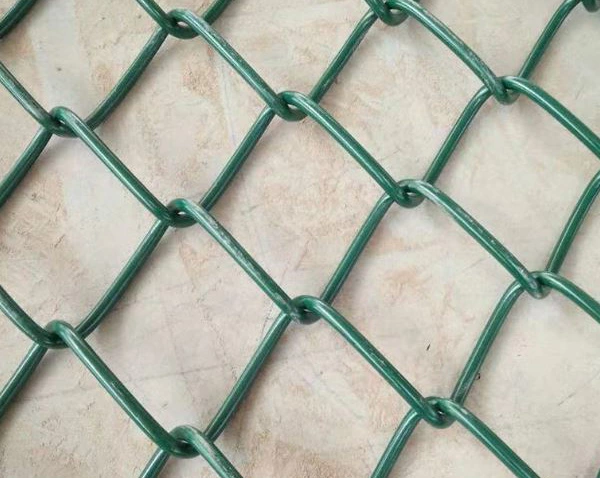
Chain link fencing is one of the most common types of temporary fencing used in construction and industrial settings. It is durable, easy to install, and provides excellent visibility. Chain link fencing is often used to secure large areas, such as construction sites, and can be easily reconfigured as the project progresses.
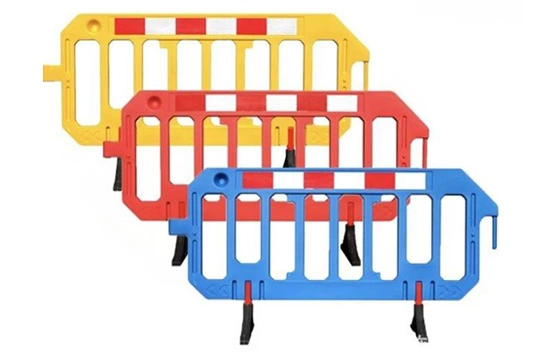
Panel fencing, also known as anti-climb fencing, is another popular option. These panels are typically made of steel and are designed to be difficult to climb, providing an additional layer of security. Panel fencing is highly portable and can be quickly assembled and disassembled, making it ideal for short-term projects or areas that require frequent changes.
The effectiveness of temporary fencing depends on its proper installation. Fencing should be securely anchored to the ground using stakes or weights, and the panels should be tightly connected to prevent gaps. It is also important to ensure that the fencing is installed at the correct height to provide adequate protection. Regular inspections should be conducted to check for any damage or wear and tear, and repairs should be made promptly.
Maintaining temporary fencing is crucial to ensure its longevity and effectiveness. Regular cleaning and inspection can help identify any issues before they become serious. In addition, it is important to replace any damaged or worn-out components to maintain the integrity of the fence. Proper maintenance not only extends the life of the fencing but also ensures that it continues to provide the necessary level of safety and security.
The Occupational Safety and Health Administration (OSHA) sets strict guidelines for workplace safety, including the use of temporary fencing. Employers must comply with these standards to ensure the safety of their workers. OSHA requires that temporary fencing be used to demarcate hazardous areas, and that it be clearly visible and properly maintained. Understanding and adhering to these regulations is essential for avoiding fines and ensuring a safe working environment.
In addition to OSHA standards, local and industry-specific regulations may also apply. For example, some municipalities may have specific requirements for the type and height of temporary fencing used in public areas. It is important for employers to familiarize themselves with these regulations and ensure that their temporary fencing solutions meet all applicable standards. Compliance with these regulations not only helps to avoid legal issues but also contributes to a safer and more efficient worksite.
Temporary fencing offers a cost-effective solution for securing worksites. Unlike permanent fencing, which can be expensive to install and maintain, temporary fencing can be rented or purchased at a lower cost. Additionally, the ability to reuse and reconfigure temporary fencing makes it a more economical choice for projects of varying durations and sizes.
One of the key advantages of temporary fencing is its flexibility and adaptability. It can be easily moved and repositioned as the needs of the project change. This makes it an ideal solution for dynamic worksites where the layout and boundaries may need to be adjusted frequently. The modular design of many temporary fencing systems also allows for easy expansion or reduction, providing the necessary flexibility to meet the evolving needs of the project.

Leave a Reply