Introduction to Anti-Climb Razor wire
In today's security-conscious world, protecting physical assets and ensuring the safety of personnel has become a paramount concern for organizations and individuals alike. One of the most effective solutions in enhancing perimeter protection is the use of anti-climb Razor wire. This article delves into the various aspects of Anti-Climb Razor Wire, including its design, applications, and the benefits it offers in securing perimeters against unauthorized access.
The Design and Construction of Anti-Climb Razor Wire
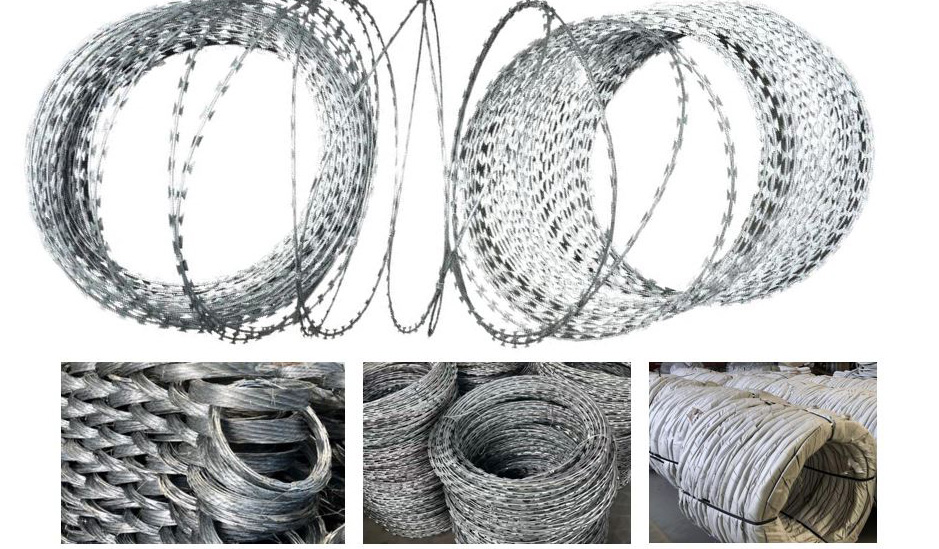
Anti-climb razor wire, also known as concertina wire or razor tape, is a type of barbed wire designed to prevent climbing over walls, fences, and other barriers. The wire is typically made from high-tensile steel and features sharp, pointed blades that are tightly wound around a central core. The design of the wire makes it extremely difficult, if not impossible, for intruders to climb over without sustaining injury. The material used in the construction of anti-climb razor wire is chosen for its durability and resistance to corrosion, ensuring that it can withstand harsh environmental conditions and remain effective over long periods.
Applications of Anti-Climb Razor Wire in Perimeter Security
Anti-climb razor wire finds extensive use in a variety of settings where perimeter security is a critical concern. These include:
- industrial Facilities: Factories, warehouses, and manufacturing plants often require robust perimeter protection to safeguard valuable equipment and materials. Anti-climb razor wire provides an additional layer of security, deterring potential intruders and vandals.
- Military Installations: Military bases and installations need to maintain strict control over access to their premises. Anti-climb razor wire is commonly used to create a formidable barrier that prevents unauthorized entry, ensuring the safety of military personnel and sensitive information.
- Correctional Facilities: Prisons and correctional facilities rely on anti-climb razor wire to prevent escape attempts. The wire is installed at the top of fences and walls, making it nearly impossible for inmates to scale these barriers without being detected or injured.
- Residential Properties: High-risk residential areas, such as those with a history of break-ins, can benefit from the installation of anti-climb razor wire. It provides a strong deterrent against burglars and other intruders, giving homeowners peace of mind.
By deploying anti-climb razor wire, these facilities can significantly enhance their perimeter security, reducing the risk of breaches and ensuring the safety of their occupants and assets.
Benefits of Using Anti-Climb Razor Wire
The use of anti-climb razor wire offers several key benefits in terms of perimeter security:
- High Deterrence Factor: The presence of anti-climb razor wire acts as a powerful visual deterrent, discouraging potential intruders from attempting to breach the perimeter. The sharp, pointed blades make it clear that any attempt to climb over the barrier will result in injury, which is a significant disincentive for would-be trespassers.
- Cost-Effective Solution: Compared to other security measures, such as electronic surveillance systems or manned patrols, anti-climb razor wire is a cost-effective solution. It requires minimal maintenance and can be installed relatively quickly, providing a long-lasting and reliable security measure.
- Flexibility and Versatility: Anti-climb razor wire can be easily adapted to fit a wide range of perimeter configurations. It can be installed on existing fences, walls, or even on the ground, making it a versatile option for various security needs. Additionally, the wire can be coiled, straightened, or shaped to fit specific requirements, ensuring comprehensive coverage of the protected area.
- Low Maintenance Requirements: Once installed, anti-climb razor wire requires very little maintenance. The durable materials used in its construction ensure that it can withstand exposure to the elements, including rain, snow, and extreme temperatures, without degrading or losing its effectiveness. Regular inspections and occasional cleaning are generally sufficient to keep the wire in good condition.
These benefits make anti-climb razor wire an attractive choice for organizations and individuals looking to enhance their perimeter security without incurring significant costs or ongoing maintenance requirements.
Installation and Safety Considerations
While anti-climb razor wire is highly effective in deterring intruders, it is important to consider the safety of authorized personnel and the general public when installing and maintaining the wire. Proper installation and adherence to safety guidelines are crucial to ensure that the wire does not pose a hazard to those who are meant to be protected. Some key considerations include:
- Professional Installation: It is recommended to have anti-climb razor wire installed by trained professionals who are familiar with the proper techniques and safety protocols. This ensures that the wire is securely fastened and positioned correctly, minimizing the risk of accidents or injuries.
- Warning Signs and Markings: Clearly visible warning signs should be placed at regular intervals along the perimeter to alert individuals to the presence of anti-climb razor wire. These signs should indicate the potential danger and discourage unauthorized access. Additionally, the wire itself can be marked with brightly colored tape or paint to make it more conspicuous.
- Regular Inspections and Maintenance: Periodic inspections should be conducted to check for any damage or wear and tear that may compromise the integrity of the wire. Any issues should be addressed promptly to ensure that the wire remains in good condition and continues to provide effective security. Regular maintenance, such as tightening loose sections and replacing damaged coils, is essential to maintain the wire’s effectiveness.
- Training and Awareness: Personnel who work in or near areas where anti-climb razor wire is installed should receive training on the potential hazards and how to avoid them. This includes understanding the importance of not touching or tampering with the wire and knowing the proper procedures for handling and disposing of damaged sections.
By following these safety considerations, organizations can maximize the benefits of anti-climb razor wire while minimizing the risks associated with its use.
Conclusion
Enhancing perimeter protection with anti-climb razor wire is a proven and effective method for deterring unauthorized access and safeguarding valuable assets. The design and construction of the wire, combined with its versatility and low maintenance requirements, make it an ideal choice for a wide range of security applications. By carefully considering the installation and safety aspects, organizations can ensure that anti-climb razor wire provides a robust and reliable barrier against potential threats, contributing to a safer and more secure environment.


 English
 China
China Thailand
 Malaysia
 Vietnam
 Laos
Laos Cambodia
 Pilipinas
 Indonesia
 Russian
 Portuguese
 Arabic
 Japanese
 Spanish
 Italian
 French
 German

Leave a Reply