

 English
 China
China Thailand
 Malaysia
 Vietnam
 Laos
Laos Cambodia
 Pilipinas
 Indonesia
 Russian
 Portuguese
 Arabic
 Japanese
 Spanish
 Italian
 French
 German
News
- Home
- News
- Company News
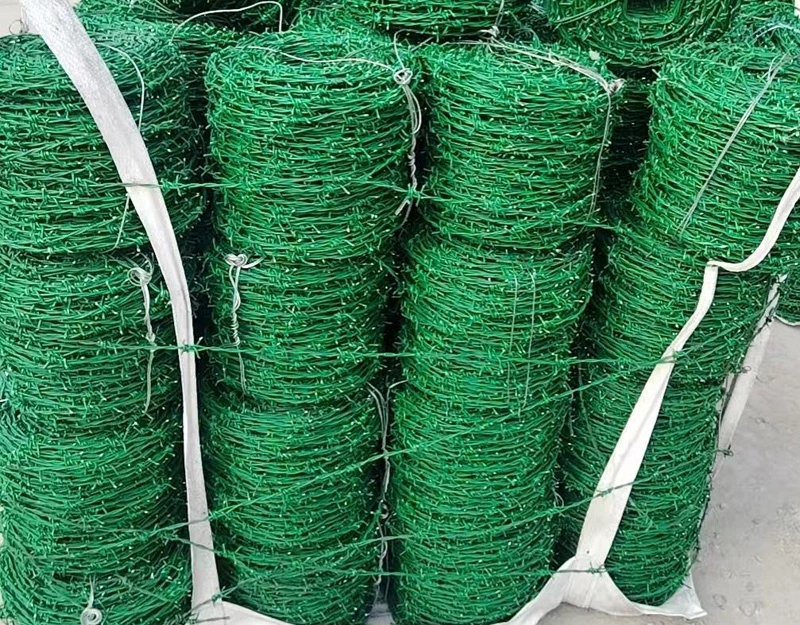
barbed wire has long been a go-to solution for securing perimeters and delineating boundaries. However, as societal values shift towards more humane and environmentally friendly practices, the search for barbed wire alternatives has gained momentum. This report aims to explore some of the most promising replacements that offer durability, safety, and functionality, while addressing the limitations inherent in traditional barbed wire.
While barbed wire is effective at deterring unauthorized access, it poses significant risks to both humans and animals. The sharp barbs can cause severe injuries, leading to potential legal liabilities. Moreover, its intimidating appearance often makes it unsuitable for residential areas or places where aesthetics are important. These factors have driven the development of alternative solutions that aim to provide security without compromising on safety or visual appeal.
Electric fences represent one of the most widely adopted barbed wire alternatives. They work by delivering a non-lethal shock to anyone or anything that comes into contact with the fence. Modern electric fencing systems are designed with safety features such as pulse modulation, which ensures that the current is not strong enough to cause serious harm but still deters intruders effectively. Additionally, these systems can be easily adjusted according to the level of security required, making them suitable for a wide range of applications from small farms to large industrial sites.
One of the key advantages of electric fences is their low maintenance requirements. Unlike traditional barbed wire, which may rust over time and require regular repairs, electric fences generally last longer with minimal upkeep. Furthermore, they can be integrated with other security measures like surveillance cameras and alarm systems, creating a comprehensive security network. It's also worth noting that many electric fencing solutions are now powered by solar energy, reducing their environmental impact and operating costs.
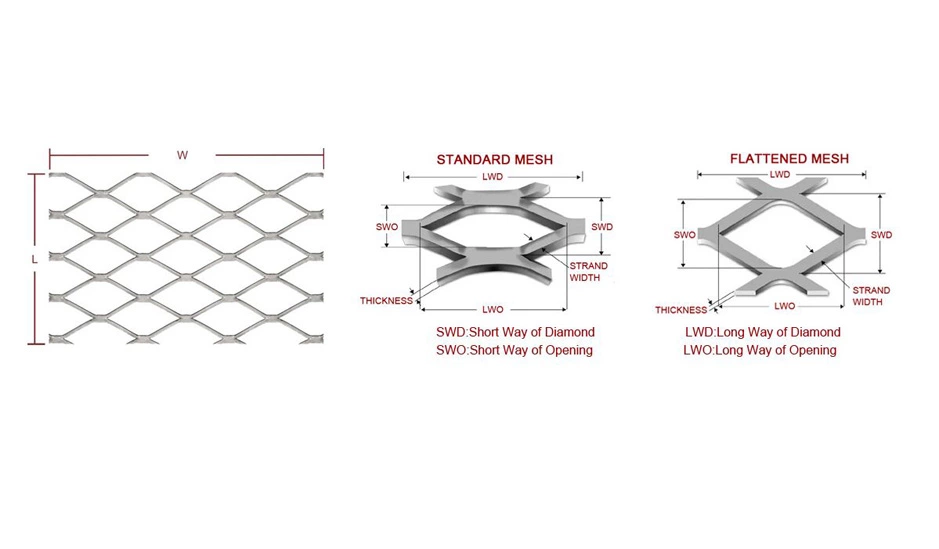
For those seeking a more tangible barrier, chain link and mesh fencing offer viable barbed wire alternatives. chain link fences consist of a series of interlocking metal wires, forming a diamond-shaped pattern. They are highly durable, resistant to corrosion, and can withstand harsh weather conditions. In addition, chain link fences allow for clear visibility, which can be advantageous in certain settings, such as schools or public parks, where monitoring activity is crucial.
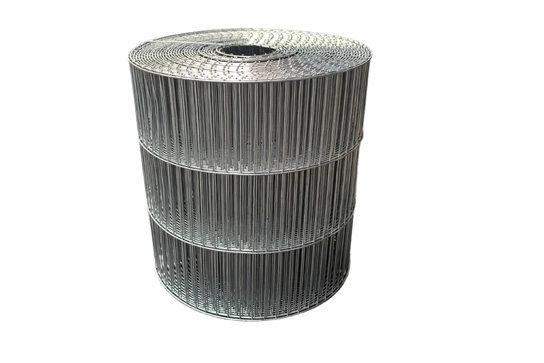
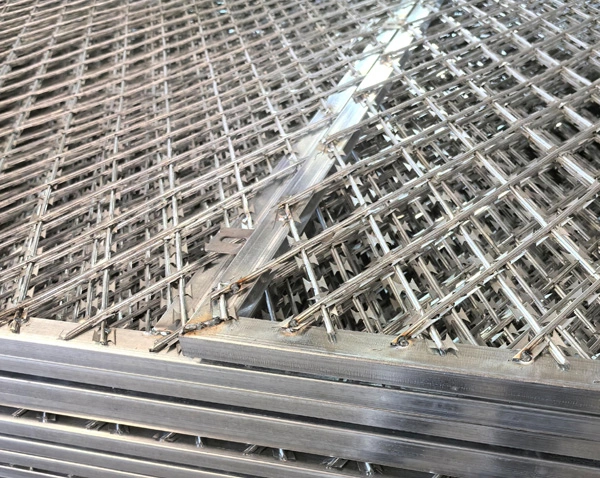
Mesh fencing, on the other hand, is made from woven or welded wire and provides a more aesthetically pleasing option compared to chain link. It comes in various designs and colors, allowing it to blend seamlessly with the surrounding environment. Both chain link and mesh fencing can be enhanced with additional security features, such as top extensions, Razor wire, or even electrification, to increase their effectiveness against intrusion. However, it’s important to consider the specific needs and regulations of the area before choosing the appropriate type of physical barrier.
Living fences, or hedges, present an innovative and sustainable barbed wire alternative that combines natural beauty with practical functionality. These barriers are created using dense, thorny plants or trees that form a continuous, impenetrable wall. Common species used for living fences include hawthorn, blackthorn, and osage orange, all of which are known for their robust growth and sharp thorns. Besides providing a secure perimeter, living fences offer several ecological benefits, including habitat creation, air purification, and noise reduction.
Maintenance of living fences primarily involves regular pruning and occasional replanting to ensure the hedge remains dense and effective. While they may take longer to establish than conventional fencing, living fences can last for decades with proper care. They are particularly well-suited for rural and suburban settings where a natural, low-impact security solution is desired. Additionally, living fences can be integrated with other security measures, such as motion sensors and lighting, to create a multi-layered defense system.
The quest for barbed wire alternatives reflects a broader trend towards more responsible and sustainable security practices. Electric fences, chain link and mesh fencing, and living fences each offer unique advantages in terms of safety, durability, and environmental impact. By considering these options, individuals and organizations can achieve effective perimeter security while aligning with modern values and regulations. As technology continues to evolve, it is likely that even more innovative and efficient solutions will emerge, further enhancing our ability to protect what matters most in a safe and responsible manner.


Leave a Reply