

 English
 China
China Thailand
 Malaysia
 Vietnam
 Laos
Laos Cambodia
 Pilipinas
 Indonesia
 Russian
 Portuguese
 Arabic
 Japanese
 Spanish
 Italian
 French
 German
News
- Home
- News
- Company News
industrial equipment protection fences, including anti-clim fences, play a crucial role in safeguarding valuable assets and ensuring the safety of personnel across various industries. This report delves into the versatility and applications of these protective barriers, highlighting their importance in enhancing security, compliance, and operational efficiency. From manufacturing plants to construction sites, the use of industrial fences is not just a matter of regulation but also a strategic investment in the long-term success and sustainability of operations. By exploring the different types of fences, their specific features, and real-world applications, this document aims to provide a comprehensive understanding of how Industrial Equipment Protection Fences can be effectively integrated into diverse environments.
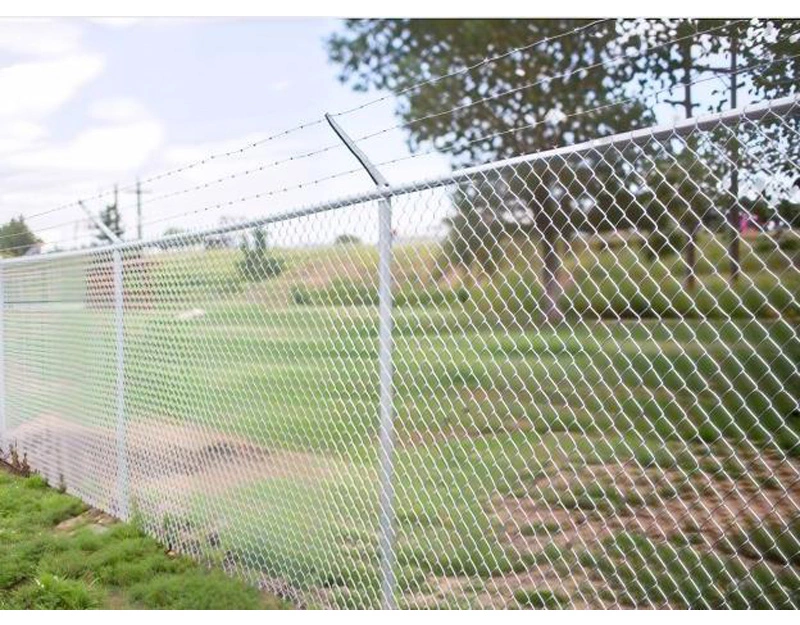
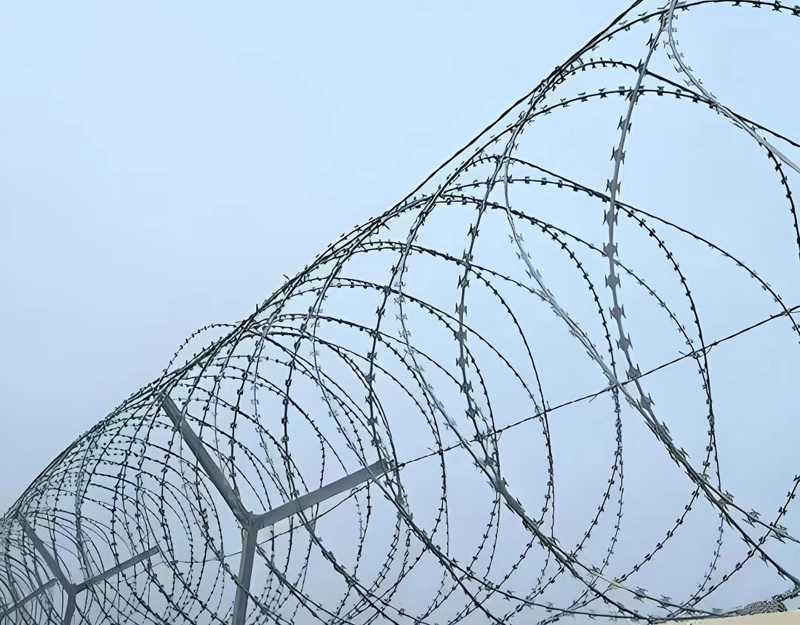
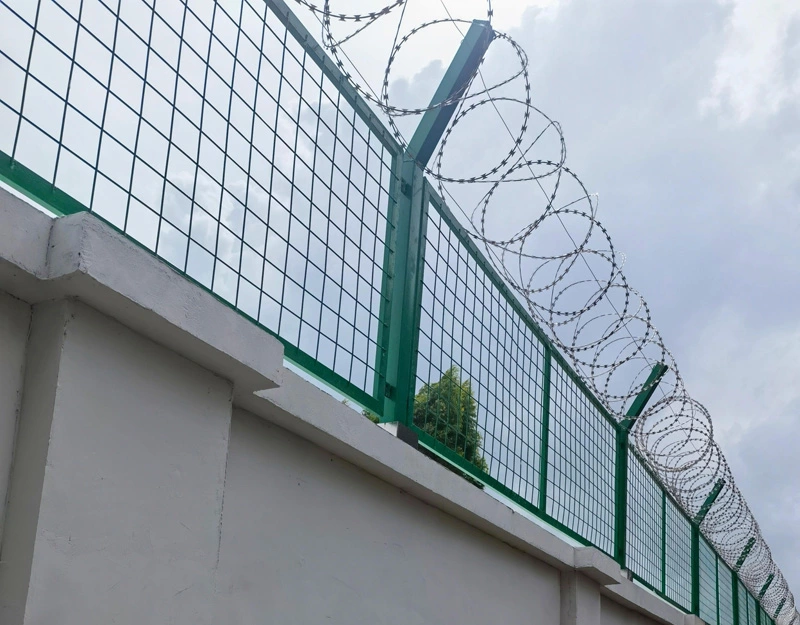
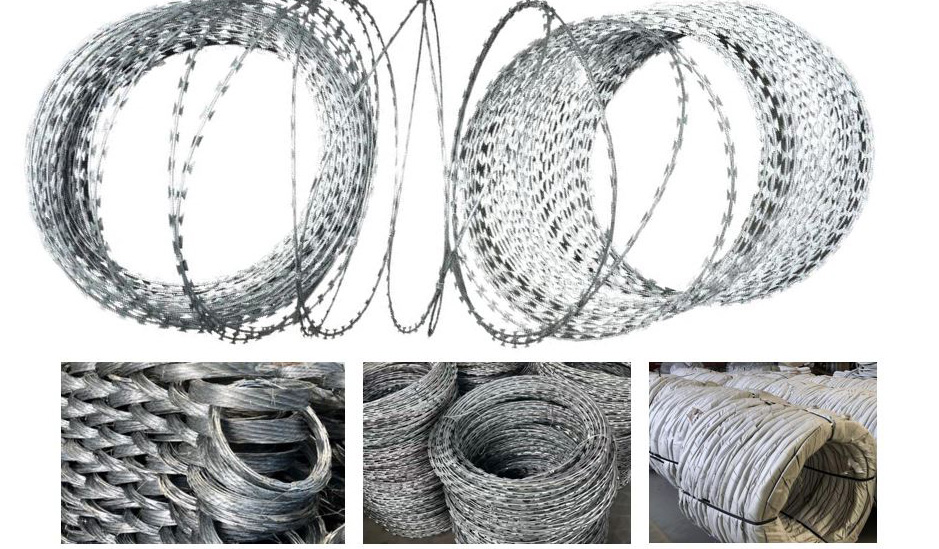
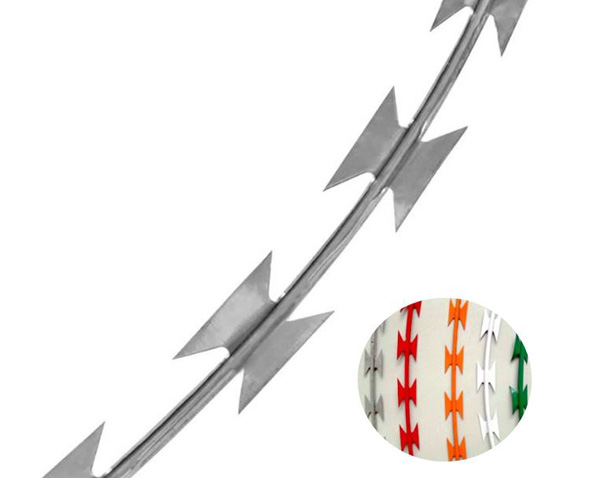
One of the primary functions of industrial equipment protection fences, such as anti-clim fences, is to prevent unauthorized access to critical areas. These fences are designed with robust materials and structures that make it difficult for intruders to breach, thereby protecting sensitive equipment and information from theft or sabotage. The inclusion of anti-climbing features, such as barbed wire or spikes, further enhances the fence's ability to deter potential threats.
Compliance with safety regulations is non-negotiable in industrial settings. Anti-clim fences and other protective barriers help organizations meet the stringent safety standards set by regulatory bodies. By installing these fences, companies can demonstrate their commitment to providing a safe working environment, which is essential for maintaining good standing with authorities and avoiding costly fines or legal issues. Additionally, these fences can be customized to fit specific regulatory requirements, ensuring that all necessary safety measures are in place.
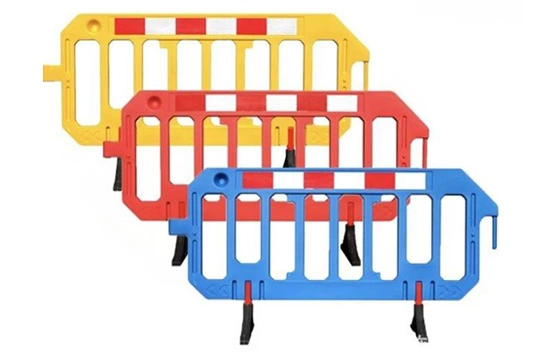
Effective space management is a key factor in maximizing operational efficiency. Industrial equipment protection fences can be used to delineate work zones, creating clear pathways and boundaries that enhance workflow. By separating different areas, such as storage, production, and maintenance, these fences help to reduce congestion and minimize the risk of accidents. This, in turn, leads to improved productivity and a more organized work environment.
Industrial equipment is often expensive and critical to the operation of a facility. Anti-clim fences and other protective barriers can help safeguard this equipment from accidental damage caused by vehicles, machinery, or human error. By creating a physical barrier around sensitive equipment, these fences ensure that it remains undisturbed and in optimal working condition. This not only extends the lifespan of the equipment but also reduces the need for frequent repairs and replacements, ultimately saving the company money and downtime.
Industrial equipment protection fences, including anti-clim fences, are designed to withstand a variety of environmental conditions. Whether it's extreme temperatures, heavy rainfall, or strong winds, these fences are built to last. The use of high-quality materials, such as galvanized steel or corrosion-resistant alloys, ensures that the fences remain durable and effective even in the harshest environments. This durability is particularly important in outdoor settings where exposure to the elements is constant.
Investing in high-quality, weather-resistant industrial fences can lead to significant long-term cost savings. While the initial investment may be higher, the longevity and low maintenance requirements of these fences mean that they will not need to be replaced or repaired frequently. This translates to lower overall costs over the life of the fence, making it a cost-effective solution for industrial facilities. Additionally, the reduced need for maintenance means that resources can be allocated to other critical areas of the business, further enhancing operational efficiency.
The integration of advanced technologies with industrial equipment protection fences is becoming increasingly common. Smart fencing solutions, which incorporate sensors, cameras, and other monitoring devices, can provide real-time data on fence integrity and potential breaches. This technology allows for immediate detection and response to security threats, enhancing the overall security of the facility. For example, anti-clim fences equipped with motion sensors can trigger alarms or alert security personnel if someone attempts to climb or tamper with the fence.
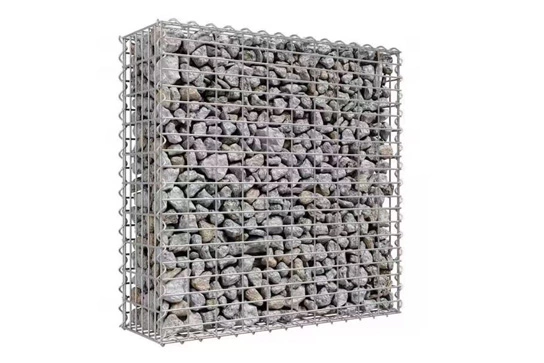
Industrial equipment protection fences, including anti-clim fences, can be customized and scaled to meet the specific needs of different facilities. Whether it's a small manufacturing plant or a large construction site, these fences can be tailored to fit the unique requirements of the environment. Customization options include the choice of materials, design, and additional features such as lighting, signage, and access control systems. This flexibility ensures that the fences can be seamlessly integrated into any setting, providing a comprehensive and effective security solution.
Leave a Reply