

 English
 China
China Thailand
 Malaysia
 Vietnam
 Laos
Laos Cambodia
 Pilipinas
 Indonesia
 Russian
 Portuguese
 Arabic
 Japanese
 Spanish
 Italian
 French
 German
News
- Home
- News
- Company News
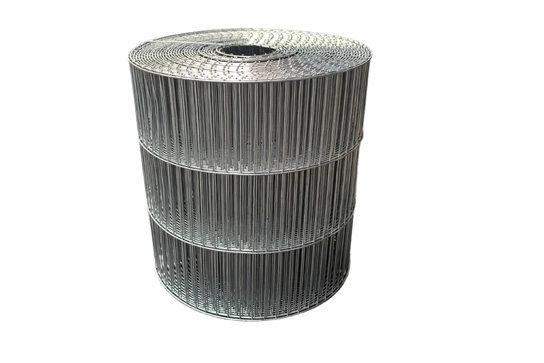
stainless steel mesh filters are essential components in various industrial processes, ranging from food and beverage production to pharmaceutical manufacturing. These filters are designed to remove impurities and contaminants from liquids or gases, ensuring that the end product meets the required standards. When it comes to choosing the right fine mesh stainless filter, understanding the specific needs of your application is crucial. This technical report will guide you through the key considerations and provide insights into selecting the appropriate mesh size for your filtration requirements.
The mesh size of a filter is determined by the number of openings per linear inch (OPI) or the diameter of the wire used in the mesh. A fine mesh stainless filter typically has a higher OPI, which means smaller openings and a finer filtration capability. The choice of mesh size directly affects the efficiency of the filtration process. For example, a 100-mesh filter, with 100 openings per linear inch, is capable of removing particles as small as 150 microns. In contrast, a 200-mesh filter can remove particles down to 74 microns.
When selecting the mesh size, it is important to consider the size of the particles you need to remove. If the particles are too large, they may clog the filter quickly, reducing its lifespan and increasing maintenance costs. Conversely, if the particles are too small, they may pass through the filter, compromising the quality of the final product. Therefore, it is essential to match the mesh size to the particle size distribution of the material being filtered.
Several factors should be taken into account when choosing the right fine mesh stainless filter. These include the nature of the material being filtered, the flow rate, the pressure drop, and the operating conditions.
By carefully evaluating these factors, you can select a fine mesh stainless filter that not only meets your filtration needs but also operates efficiently under the given conditions.
To ensure the long-term performance and reliability of your fine mesh stainless filter, regular maintenance and monitoring are essential. Here are some best practices to optimize filter performance:
By implementing these best practices, you can extend the life of your fine mesh stainless filter and ensure that it continues to meet your filtration needs effectively.
Selecting the right fine mesh stainless filter is a critical step in ensuring the quality and efficiency of your industrial processes. By understanding the impact of mesh size on filtration efficiency, considering the key factors affecting filter selection, and following best practices for maintenance, you can choose a filter that not only meets your specific needs but also operates reliably over the long term. Whether you are dealing with food and beverage, pharmaceuticals, or other industrial applications, a well-chosen fine mesh stainless filter can make a significant difference in the quality and consistency of your end products.

Leave a Reply