

 English
 China
China Thailand
 Malaysia
 Vietnam
 Laos
Laos Cambodia
 Pilipinas
 Indonesia
 Russian
 Portuguese
 Arabic
 Japanese
 Spanish
 Italian
 French
 German
News
- Home
- News
- Company News
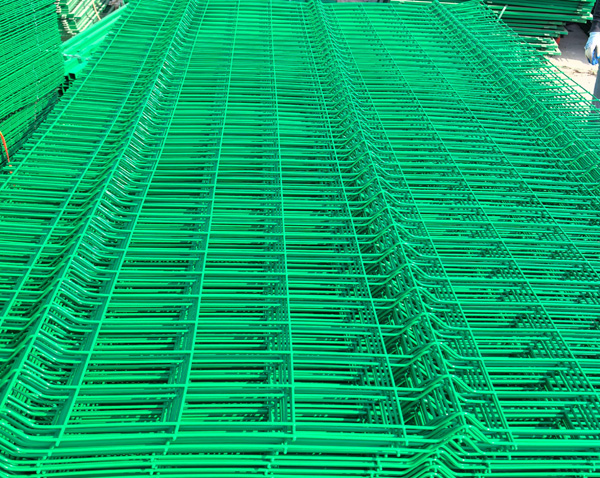
When it comes to securing your property, selecting the right heavy duty mesh fencing system is crucial. This type of fencing not only provides a robust barrier against intruders but also enhances the aesthetic appeal of the premises. In this technical report, we will explore key factors to consider when choosing a heavy duty mesh fencing system for your property. We will delve into the importance of material quality, installation methods, and long-term maintenance, providing you with the necessary information to make an informed decision.
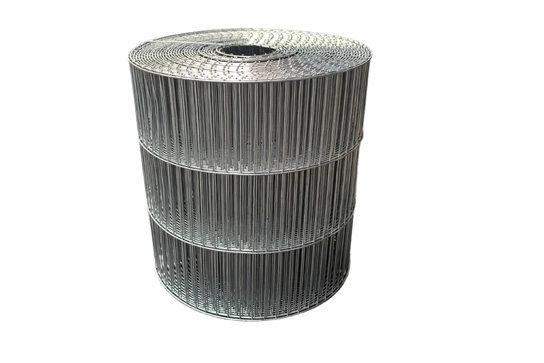
The durability and effectiveness of a heavy duty mesh fencing system are largely determined by the quality of materials used. High-grade steel, such as galvanized or stainless steel, is often preferred due to its resistance to corrosion and weathering. Galvanized steel undergoes a process where it is coated with a layer of zinc, which acts as a protective barrier against rust and other forms of corrosion. Stainless steel, on the other hand, contains chromium, which forms a passive film that prevents oxidation and corrosion. Both materials offer excellent longevity, making them ideal for heavy-duty applications.
It's also important to consider the thickness and gauge of the wire mesh. A thicker gauge wire provides greater strength and is less likely to be cut or damaged. The mesh size should be chosen based on the specific security needs of your property. For example, smaller mesh sizes are more effective at preventing small animals from entering, while larger mesh sizes may be sufficient for general security purposes.
The installation method plays a critical role in the overall performance of a heavy duty mesh fencing system. Proper installation ensures that the fence remains stable and secure over time. There are several key aspects to consider during the installation process:
Proper installation also involves ensuring that the fence is level and plumb. Any deviations can lead to structural weaknesses and compromise the security of the property. Regular inspections and adjustments during the installation process are essential to maintain the integrity of the fence.
To ensure that your heavy duty mesh fencing system remains in top condition, regular maintenance is essential. Here are some key maintenance practices to follow:
By following these maintenance practices, you can extend the lifespan of your heavy duty mesh fencing system and ensure that it continues to provide reliable security and protection for your property.
Selecting the right heavy duty mesh fencing system for your property involves careful consideration of material quality, installation methods, and long-term maintenance. High-quality materials, such as galvanized or stainless steel, provide the durability and strength needed for a secure and long-lasting fence. Proper installation, including the use of solid foundations, appropriate post spacing, and secure attachment methods, ensures that the fence remains stable and effective. Regular maintenance, including cleaning, inspection, and timely repairs, helps to extend the lifespan of the fence and maintain its security features. By taking these factors into account, you can choose a heavy duty mesh fencing system that meets your specific needs and provides the best possible protection for your property.
Leave a Reply