Choosing the right anti climb fence fittings for your property
When it comes to enhancing the security of your property, choosing the right anti climb fence fittings is a critical decision. These fittings not only deter potential intruders but also add an extra layer of safety and peace of mind. This technical report will guide you through the essential considerations and provide insights into selecting the most appropriate anti climb fence fittings for your specific needs.
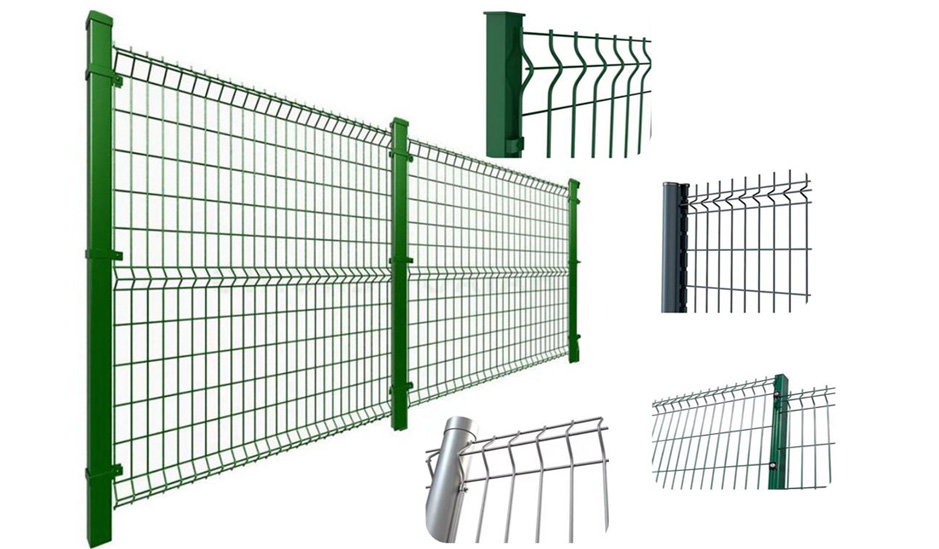
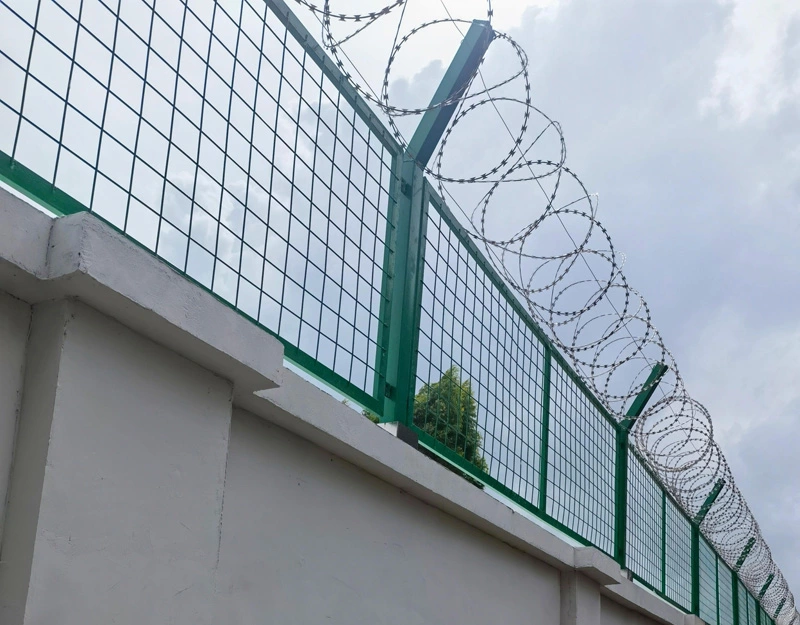
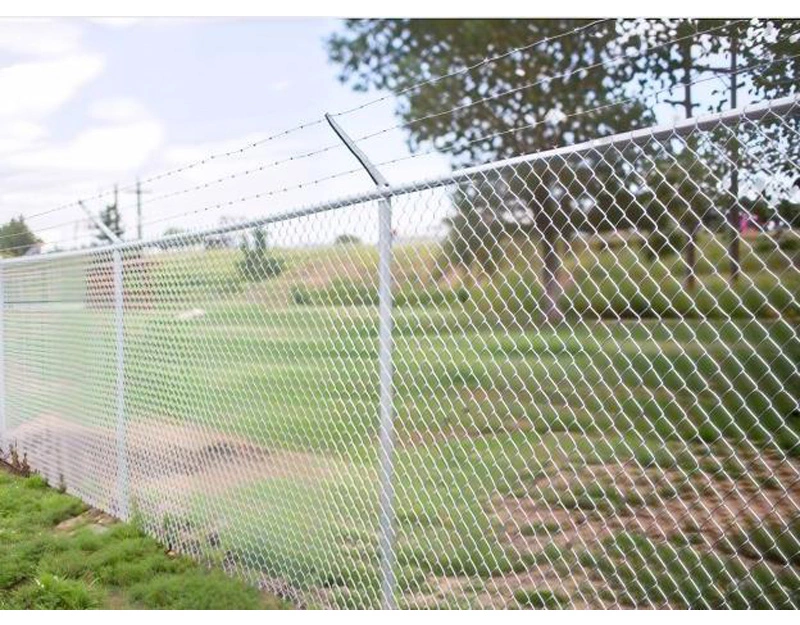
The primary purpose of anti climb fence fittings is to prevent unauthorized access by making it difficult or impossible for individuals to scale the fence. These fittings are designed with various features such as spikes, rollers, and barbed wire that create a physical barrier. By incorporating these elements, you can significantly reduce the risk of trespassing and vandalism. Additionally, the presence of such fittings often serves as a visual deterrent, discouraging would-be intruders from even attempting to breach the perimeter.
Assessing Your Security Needs
Before selecting any anti climb fence fittings, it is crucial to assess your specific security requirements. Consider the following factors:
- Property Type: Residential, commercial, or industrial properties may have different security needs. For example, a residential area might prioritize aesthetics and child safety, while an industrial site may require more robust and intimidating fittings.
- Threat Level: Evaluate the level of threat your property faces. High-risk areas, such as those near public spaces or in high-crime neighborhoods, may require more advanced and visible security measures.
- Budget Constraints: Determine your budget for the project. While some high-end options offer superior protection, there are cost-effective solutions that can still provide adequate security.
By understanding these factors, you can make an informed decision about the type of anti climb fence fittings that best suit your property.
Evaluating Different Types of Anti Climb Fence Fittings
There are several types of anti climb fence fittings available, each with its own set of advantages and disadvantages. Here are some of the most common options:
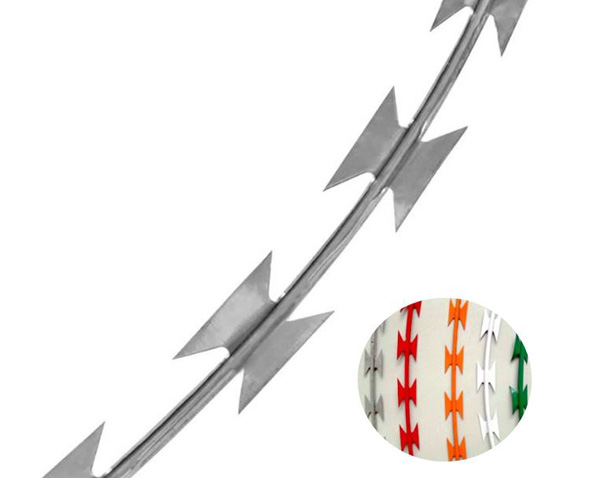
- Spiked Tops: Spiked tops are one of the most popular and effective anti climb fittings. They are typically made of metal and feature sharp points that make it extremely difficult for anyone to climb over the fence. However, they may pose a risk of injury, so they should be used with caution, especially in areas where children are present.
- Roller Top Systems: Roller top systems consist of rotating cylinders that spin when someone tries to climb the fence. This makes it nearly impossible to gain a foothold, effectively deterring intruders. These systems are less likely to cause injury compared to spiked tops and are often preferred in residential settings.
- Barbed wire: Barbed wire is a traditional and cost-effective option for adding an extra layer of security. It is easy to install and can be attached to existing fences. However, it may not be as visually appealing as other options and can also pose a risk of injury.
- Electric Fencing: Electric fencing uses a low-voltage electric current to create a shock barrier. This is an extremely effective deterrent, but it requires regular maintenance and can be more expensive to install and operate. Additionally, it may not be suitable for all environments, particularly those with children or pets.
Each type of fitting has its own set of pros and cons, and the best choice will depend on your specific needs and circumstances.
Installation and Maintenance Considerations
Proper installation and regular maintenance are key to ensuring the effectiveness and longevity of your anti climb fence fittings. Here are some important considerations:
- Professional Installation: While some fittings can be installed by DIY enthusiasts, it is generally recommended to hire a professional for installation. This ensures that the fittings are installed correctly and securely, maximizing their effectiveness.
- Regular Inspections: Regularly inspect your fence and fittings for any signs of wear, damage, or corrosion. Address any issues promptly to maintain the integrity of your security system.
- Maintenance: Follow the manufacturer's guidelines for maintenance. This may include cleaning, lubricating moving parts, and replacing worn components. Proper maintenance will extend the lifespan of your fittings and ensure they continue to function effectively.
By taking these steps, you can ensure that your anti climb fence fittings remain in top condition and continue to provide the necessary security for your property.
Compliance with Local Regulations and Standards
It is essential to comply with local regulations and standards when installing anti climb fence fittings. These regulations may vary depending on your location and the type of property. Some key considerations include:
- Height Restrictions: Many local authorities have height restrictions for fences. Ensure that your fence, including any additional fittings, complies with these regulations.
- Safety Standards: Some fittings, such as spiked tops, may need to meet specific safety standards to prevent injury. Check with your local building department to understand the requirements.
- Environmental Considerations: In some areas, there may be environmental regulations that affect the use of certain materials or the installation of electric fencing. Make sure to research and comply with these regulations to avoid any legal issues.
By adhering to these regulations, you can ensure that your security measures are both effective and compliant with local laws.
Conclusion
Choosing the right anti climb fence fittings is a crucial step in enhancing the security of your property. By understanding the importance of these fittings, assessing your specific security needs, evaluating different types of fittings, and considering installation and maintenance, you can make an informed decision that provides the best protection for your property. Additionally, compliance with local regulations and standards is essential to ensure that your security measures are both effective and legally sound.
Ultimately, the right anti climb fence fittings will not only deter potential intruders but also provide you with the peace of mind that your property is well-protected. By following the guidelines outlined in this technical report, you can select and install the most appropriate fittings for your specific needs, creating a secure and safe environment for your property.


 English
 China
China Thailand
 Malaysia
 Vietnam
 Laos
Laos Cambodia
 Pilipinas
 Indonesia
 Russian
 Portuguese
 Arabic
 Japanese
 Spanish
 Italian
 French
 German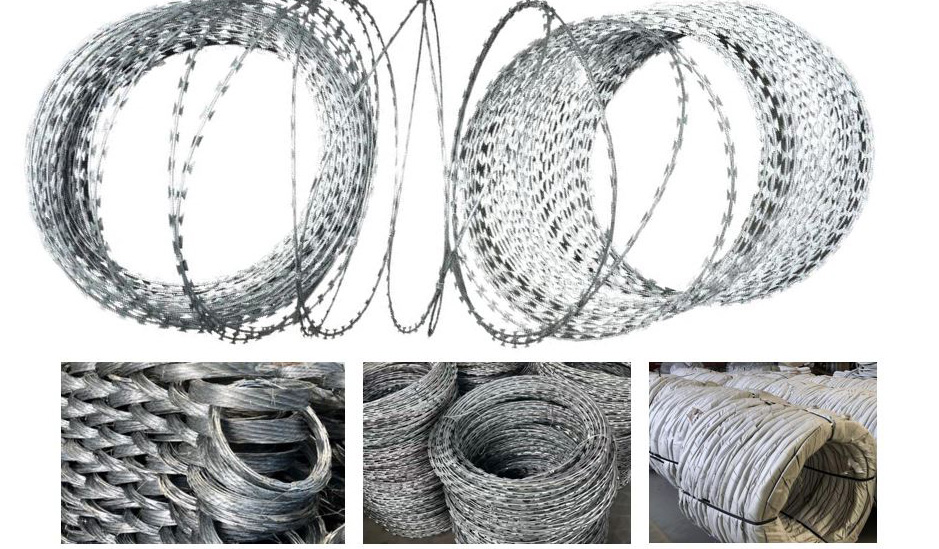

Leave a Reply