

 English
 China
China Thailand
 Malaysia
 Vietnam
 Laos
Laos Cambodia
 Pilipinas
 Indonesia
 Russian
 Portuguese
 Arabic
 Japanese
 Spanish
 Italian
 French
 German
News
- Home
- News
- Company News
Expanded Metal Mesh, a material known for its versatility and strength, has been finding new applications in contemporary construction. This innovative material is not only pushing the boundaries of what is possible in architectural design but also contributing significantly to sustainability efforts within the industry. By exploring various aspects such as structural integrity, aesthetic possibilities, and environmental impact, this report aims to highlight how Expanded Metal Mesh is transforming modern construction practices.
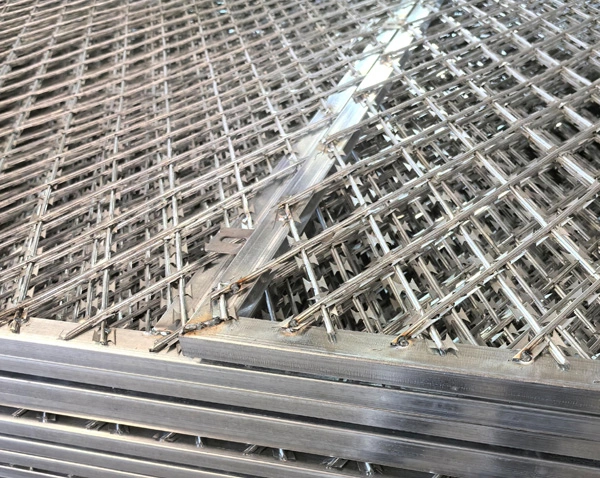
Historically, construction materials have evolved from simple stone and wood to more sophisticated options like steel and concrete. In recent years, there has been an increased focus on materials that can offer both functionality and sustainability. Expanded Metal Mesh fits perfectly into this category. It is created through a process where solid metal sheets are slit and stretched, resulting in a diamond-shaped grid. This process enhances the material's properties, making it lighter, stronger, and more flexible compared to traditional sheet metal. As a result, architects and engineers are now turning towards Expanded Metal Mesh for projects that require a blend of durability and adaptability. Its use in facades, partitions, and even decorative elements showcases the material’s ability to enhance both the structural and visual aspects of a building.
One of the most significant advantages of using Expanded Metal Mesh in construction is its contribution to structural innovation. The unique properties of this material make it ideal for creating load-bearing structures without compromising on aesthetics. For instance, when used in conjunction with other materials, Expanded Metal Mesh can help distribute loads more evenly, thereby reducing stress points and increasing overall stability. Additionally, the open mesh structure allows for better air circulation, which is crucial in maintaining indoor air quality and reducing the need for mechanical ventilation. These features have led to the development of innovative designs, such as self-supporting facades and lightweight roof systems, which would be challenging to achieve with conventional materials. Furthermore, the material's flexibility makes it suitable for complex geometries, enabling architects to push the boundaries of form and function in their designs.
Beyond its structural benefits, Expanded Metal Mesh offers unparalleled opportunities for aesthetic enhancement. The customizable nature of the mesh, including variations in aperture size, thickness, and finish, allows designers to create visually striking elements that complement or contrast with the surrounding architecture. For example, by manipulating the pattern and orientation of the mesh, it is possible to control light and shadow, creating dynamic visual effects. This capability is particularly useful in designing sunscreens, privacy screens, and decorative panels. Moreover, the material can be painted or coated in a variety of colors, further expanding its potential for creative expression. In many contemporary buildings, Expanded Metal Mesh is used to create a seamless integration between the interior and exterior, blurring the lines between functional and decorative elements. This approach not only enhances the visual appeal of the building but also contributes to a more cohesive and harmonious design.
Sustainability is a critical consideration in modern construction, and Expanded Metal Mesh excels in this area. The production process of Expanded Metal Mesh is relatively low-impact, as it involves minimal waste and energy consumption compared to other manufacturing processes. Additionally, the material is highly durable and resistant to corrosion, which extends its lifespan and reduces the need for frequent replacements. This longevity translates to lower maintenance costs and a reduced carbon footprint over the life of the building. Another environmental benefit is the material's recyclability. At the end of its lifecycle, Expanded Metal Mesh can be easily recycled, contributing to a circular economy. Furthermore, the use of Expanded Metal Mesh in building envelopes can improve energy efficiency by providing natural shading and ventilation, thereby reducing the reliance on artificial cooling and heating systems. These factors collectively make Expanded Metal Mesh a sustainable choice for contemporary construction, aligning with global efforts to reduce the environmental impact of the built environment.
While Expanded Metal Mesh has already made significant inroads in contemporary construction, there is still room for further innovation and improvement. One area of focus is the development of new alloys and coatings that can enhance the material's performance in extreme conditions, such as high humidity or corrosive environments. Additionally, ongoing research into the integration of smart technologies, such as sensors and actuators, could enable the creation of adaptive building skins that respond to environmental changes. However, there are also challenges to overcome. The initial cost of Expanded Metal Mesh can be higher than that of some traditional materials, which may deter some developers. Education and awareness about the long-term benefits and cost savings associated with the material will be essential in addressing this barrier. Furthermore, the industry needs to continue investing in the development of efficient installation techniques and tools to ensure that the material can be used effectively across a wide range of projects.
In conclusion, Expanded Metal Mesh is a versatile and innovative material that is redefining the possibilities in contemporary construction. Its unique properties, combined with its structural, aesthetic, and environmental benefits, make it an attractive option for architects, engineers, and builders. As the industry continues to evolve, the role of Expanded Metal Mesh in shaping the future of sustainable and innovative architecture is likely to grow, paving the way for a new era of design and construction.

Leave a Reply