

 English
 China
China Thailand
 Malaysia
 Vietnam
 Laos
Laos Cambodia
 Pilipinas
 Indonesia
 Russian
 Portuguese
 Arabic
 Japanese
 Spanish
 Italian
 French
 German
News
- Home
- News
- Company News
In the realm of agricultural fencing, selecting the right materials is crucial for ensuring longevity, cost-effectiveness, and functionality. This guide delves into the specifics of choosing Agricultural PVC Coated wire Fabric, a material that has gained popularity due to its durability and versatility. The discussion will cover the importance of understanding the properties of PVC Coated Wire Fabric, the benefits it offers over traditional materials, and how to make an informed decision when purchasing. We will also explore the role of Durable Plastic Webbing in enhancing the overall performance of these fencing solutions, providing a comprehensive overview for farmers, ranchers, and other agricultural professionals.
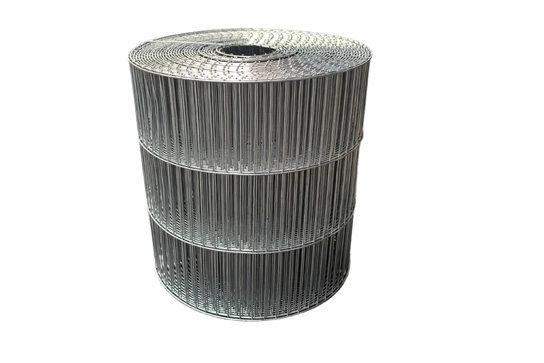
PVC coated wire fabric is made by coating a galvanized Steel Wire with a layer of polyvinyl chloride (PVC). The manufacturing process involves several steps: first, the steel wire is galvanized to prevent rust and corrosion. Then, it is coated with a layer of PVC, which provides additional protection against environmental factors such as moisture, UV radiation, and chemical exposure. This dual-layered construction ensures that the wire fabric remains durable and resistant to wear and tear.
The key properties of PVC coated wire fabric include high tensile strength, flexibility, and resistance to corrosion. These properties make it an ideal choice for agricultural applications where the fence needs to withstand harsh weather conditions and potential impacts from livestock or machinery. Additionally, the PVC coating provides a smooth, non-abrasive surface that is safe for animals and easy to clean. This makes it a more hygienic option compared to uncoated wire, reducing the risk of injury and disease transmission among livestock.
The lifespan of PVC coated wire fabric can be influenced by various factors, including the quality of the raw materials, the thickness of the PVC coating, and the environmental conditions in which it is installed. High-quality materials and a thicker PVC coating generally result in a longer-lasting product. Environmental factors such as exposure to sunlight, temperature fluctuations, and humidity levels can also impact the durability of the wire fabric. Regular maintenance, such as cleaning and inspecting for damage, can help extend the lifespan of the fence.
When compared to other common fencing materials like wood, metal, and traditional wire, PVC coated wire fabric offers several advantages. Unlike wood, which is susceptible to rot and insect damage, PVC coated wire fabric is resistant to these issues. It also outperforms traditional metal wire, which can corrode and weaken over time. While traditional wire may be more cost-effective initially, the long-term maintenance and replacement costs can make PVC coated wire fabric a more economical choice in the long run. Durable Plastic Webbing, often used in conjunction with PVC coated wire fabric, further enhances the overall strength and longevity of the fence, making it a robust solution for agricultural settings.
Before purchasing PVC coated wire fabric, it is essential to assess your specific needs and requirements. Factors to consider include the type of livestock you are managing, the size of the area to be fenced, and the local climate. For example, if you are fencing a large pasture, you may need a stronger and more durable wire fabric to withstand the pressure from larger animals. In areas with high rainfall or humidity, a thicker PVC coating may be necessary to ensure the wire fabric remains intact. Consulting with a professional or conducting thorough research can help you make an informed decision.
Proper installation is critical to the effectiveness and longevity of PVC coated wire fabric. Some best practices include ensuring the posts are securely anchored, using the appropriate tension on the wire, and regularly checking for any signs of damage or wear. It is also important to follow the manufacturer's guidelines for installation, as different products may have specific requirements. Additionally, using Durable Plastic Webbing in conjunction with the wire fabric can provide extra support and stability, especially in areas prone to strong winds or heavy snowfall. By following these tips, you can ensure that your PVC coated wire fabric fence remains functional and effective for years to come.
Leave a Reply