

 English
 China
China Thailand
 Malaysia
 Vietnam
 Laos
Laos Cambodia
 Pilipinas
 Indonesia
 Russian
 Portuguese
 Arabic
 Japanese
 Spanish
 Italian
 French
 German
News
- Home
- News
- Company News
The implementation of effective safety measures is crucial in any industrial setting, especially within workshops where the risk of accidents can be significantly high. A key component of these measures includes the installation and proper use of Workshop Safety Barriers. These barriers play an essential role in creating a safer work environment by mitigating risks associated with machinery operation, material handling, and pedestrian movement. This section will delve into why these barriers are indispensable for modern workshops, focusing on three main aspects: reducing workplace injuries, enhancing operational efficiency, and complying with safety regulations.
One of the most critical functions of workshop safety barriers is to prevent injuries. By clearly delineating areas where hazardous activities occur, such as near moving parts or heavy machinery, these barriers help in minimizing direct contact between workers and potential hazards. They also serve as visual cues that alert employees to exercise caution when approaching certain zones, thereby lowering the likelihood of accidents.
Beyond safety, well-placed barriers contribute to a more organized workspace. When used to define specific paths for material flow and personnel movement, they can streamline operations, reduce congestion, and improve overall workflow. An efficiently laid out shop floor not only enhances productivity but also reduces downtime caused by mishaps or inefficiencies in movement.
Most importantly, installing appropriate Workshop Safety Barriers is often a legal requirement. Compliance with local, national, and international safety standards (such as OSHA guidelines) is mandatory for all businesses. Failing to meet these requirements can result in severe penalties, including fines and even closure of the business. Thus, investing in quality safety barriers is both a smart business decision and a necessary step towards ensuring regulatory compliance.
While the importance of having Workshop Safety Barriers is clear, it's equally important to understand how to effectively implement them. The success of your barrier system largely depends on several factors, including the choice of materials, the design and layout of the barriers, and regular maintenance practices. Below, we explore each of these elements in detail to provide a comprehensive guide on what considerations should be made during the installation process.
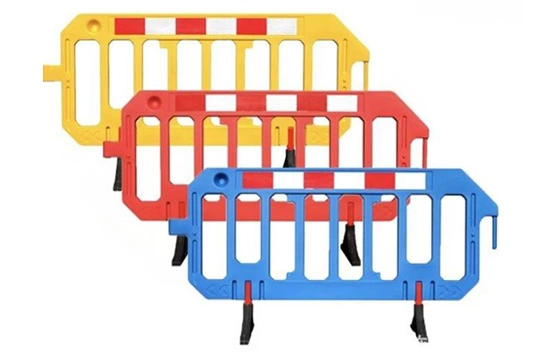
Selecting the right material for your barriers is fundamental. Factors like durability, visibility, and cost-effectiveness must be balanced. Common choices include steel, which offers robust protection; plastic, known for its flexibility and light weight; and aluminum, providing a good compromise between strength and ease of installation. Each material has its advantages and is suitable for different environments and applications, so choosing wisely based on your specific needs is crucial.
The effectiveness of a barrier system greatly hinges upon its design and placement. It’s essential to conduct a thorough assessment of the workshop to identify high-risk areas, traffic patterns, and operational flows. Based on this analysis, barriers should be strategically positioned to maximize their protective function while minimizing disruption to normal operations. Additionally, considering the aesthetic aspect of the design can also promote a positive work culture, encouraging adherence to safety protocols among staff members.
Regular maintenance is vital to ensure the longevity and reliability of your safety barriers. This includes routine inspections for signs of wear and tear, damage, or displacement, as well as prompt repairs or replacements when needed. Establishing a maintenance schedule and training staff on basic upkeep procedures can significantly extend the life span of your barriers, maintaining their effectiveness over time. Proper documentation of these activities is also advisable for tracking purposes and demonstrating due diligence in case of audits or inspections.


Leave a Reply