A Comprehensive Guide to Installing Fence Wire Mesh
Installing fence wire mesh is a versatile and effective way to secure your property, whether for residential or commercial purposes. This guide aims to provide a comprehensive overview of the process, from selecting the right materials to ensuring proper installation. By following these steps, you can create a durable and functional fence that will serve its purpose for years to come.
Selecting the Right Fence wire Mesh
The first step in installing a fence wire mesh is choosing the appropriate type of mesh for your needs. There are several factors to consider when making this decision:
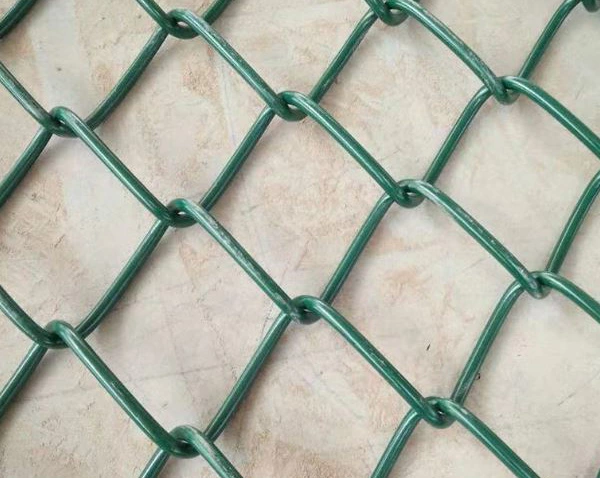
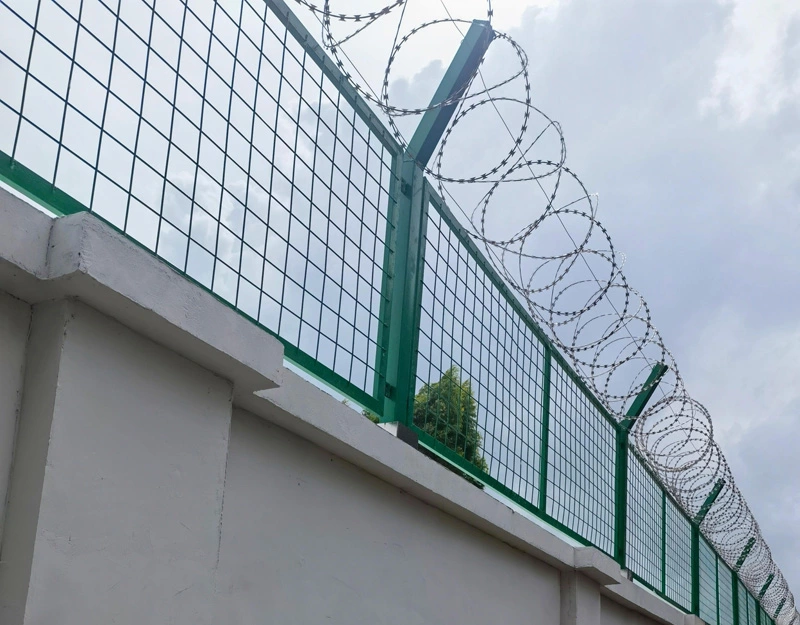
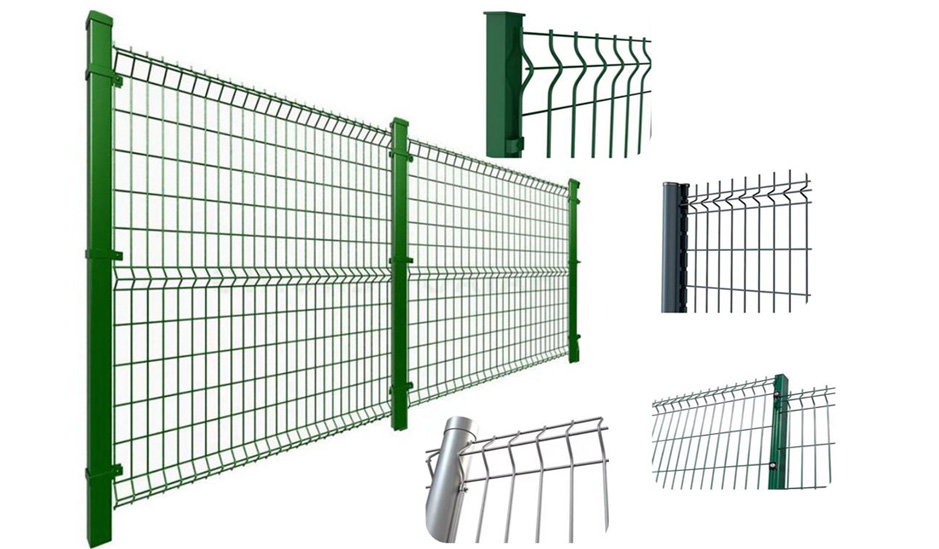
- Purpose of the Fence: Determine what the fence is intended to do. Is it for security, privacy, or simply to mark boundaries? Different types of fence wire mesh cater to different needs. For example, chain-link fences are ideal for security, while decorative wire mesh may be more suitable for aesthetic purposes.
- Material Quality: The quality of the material is crucial for the longevity of the fence. High-quality wire mesh is typically made from galvanized steel, which is resistant to rust and corrosion. Consider the environment where the fence will be installed; if it’s an area with high humidity or salt exposure, choose materials that can withstand such conditions.
- Mesh Size and Gauge: The size of the mesh openings and the gauge (thickness) of the wire are important considerations. Smaller mesh sizes are better for keeping small animals out, while larger gauges offer more strength and durability. Evaluate the specific requirements of your project to determine the best mesh size and gauge.
Preparing the Site for Installation
Proper site preparation is essential for a successful fence wire mesh installation. Follow these steps to ensure that your site is ready:
- Survey the Area: Begin by surveying the area where the fence will be installed. Use stakes and string to mark the perimeter of the fence line. Ensure that the lines are straight and that corners are at 90-degree angles. This will help you avoid any alignment issues during installation.
- Clear the Site: Remove any debris, vegetation, or obstructions from the fence line. This includes clearing brush, cutting down trees, and removing rocks. A clear and level surface is crucial for a stable and secure fence.
- Check for Underground Utilities: Before digging, check for any underground utilities such as water, gas, or electrical lines. Contact your local utility company to have the area marked. This step is critical to avoid damaging any infrastructure and to ensure safety.
- Mark Post Locations: Once the site is clear, mark the locations for the fence posts. The spacing between posts will depend on the type of fence wire mesh you are using. Generally, posts should be spaced no more than 8 feet apart to ensure stability.
Installing the Fence Posts
The next step in the installation process is setting up the fence posts. Properly installed posts are the foundation of a strong and durable fence. Here’s how to do it:
- Dig Post Holes: Use a post hole digger or auger to dig holes for the fence posts. The depth of the holes should be approximately one-third of the total height of the post. For example, if you are using 6-foot posts, the holes should be 2 feet deep. Ensure that the holes are wide enough to accommodate the post and some concrete.
- Set the Posts: Place the posts in the holes and use a level to ensure they are plumb. Fill the holes with a mixture of concrete and gravel. Tamp the concrete firmly around the post to eliminate air pockets. Allow the concrete to cure according to the manufacturer's instructions, typically 24-48 hours.
- Install Braces (if necessary): For added stability, especially in areas with high winds or soft soil, install diagonal braces between the posts. These braces can be made from wood or metal and should be securely fastened to both the post and the ground.
Attaching the Fence Wire Mesh
Once the posts are set, the next step is to attach the fence wire mesh. This is a critical step that requires precision and attention to detail. Follow these steps to ensure a proper installation:
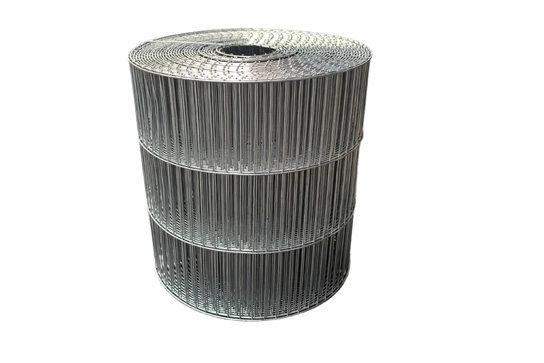
- Unroll the Mesh: Unroll the fence wire mesh along the fence line. Start at one end and work your way to the other. If the mesh is too long, cut it to the desired length using wire cutters.
- Attach the Mesh to the Posts: Use fence staples or U-nails to secure the mesh to the posts. Start at the top of the post and work your way down, ensuring that the mesh is taut and even. Space the staples or nails about 6 inches apart to prevent sagging.
- Tension the Mesh: To ensure that the fence wire mesh is tight and secure, use a tensioning tool. This tool helps to pull the mesh taut and eliminate any slack. Tighten the mesh gradually, checking for even tension along the entire length of the fence.
- Secure the Bottom Edge: To prevent animals from burrowing under the fence, secure the bottom edge of the mesh to the ground. You can do this by burying a portion of the mesh or by using ground stakes. Ensure that the mesh is firmly anchored to the ground to maintain its integrity.
Finishing Touches and Maintenance
After the fence wire mesh is installed, there are a few final steps to complete the project and ensure its longevity. Follow these tips to finish the job and maintain your fence:
- Gate Installation: If your fence includes a gate, install it after the main fence is in place. Choose a gate that matches the style and material of the fence. Ensure that the gate is properly aligned and securely attached to the posts.
- Trimming and Cleanup: Trim any excess mesh and remove any tools or debris from the site. Check the fence for any loose or damaged sections and make any necessary repairs.
- Regular Maintenance: Regular maintenance is key to extending the life of your fence. Inspect the fence periodically for signs of wear, such as rust, corrosion, or damage. Clean the fence as needed and apply a protective coating if recommended by the manufacturer. Address any issues promptly to prevent further damage.
By following these steps, you can successfully install a fence wire mesh that is both functional and durable. Whether you are securing your property, enhancing privacy, or adding a decorative touch, a well-installed fence will provide years of reliable service.


 English
 China
China Thailand
 Malaysia
 Vietnam
 Laos
Laos Cambodia
 Pilipinas
 Indonesia
 Russian
 Portuguese
 Arabic
 Japanese
 Spanish
 Italian
 French
 German
Leave a Reply